
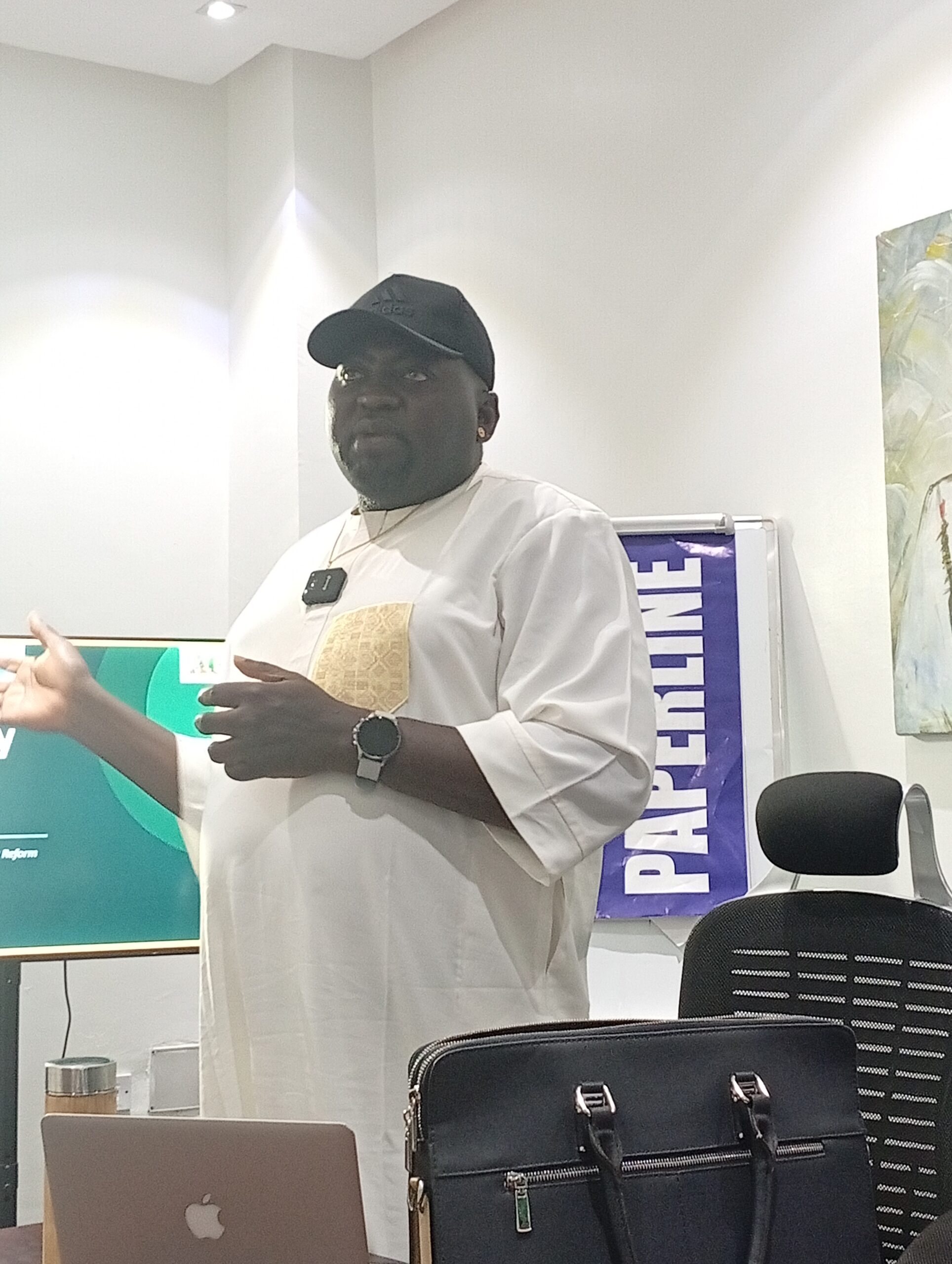
Chief Executive Officer (CEO) of a Non- Governmental Organization, Access to Good Health Initiative (AGHI), Michael Amalumilo, has called on media practitioners to embrace accurate reporting on issues relating to marginalised groups in the society, ensuring that each group is reported individually.
Amalumilo made the call on Tuesday , during a media capacity-building organised in Enugu, as part of a project focused on strengthening advocacy, improving media reporting on marginalised people’s issues, and promoting reforms to HIV/AIDs anti-discrimination laws.
He explained that the media plays a critical role in either reducing violence against vulnerable persons ,including those under Sexual Orientation, Gender Identity,, Expression and Sex Characters known as SOGIESC, through harmful narratives and inaccurate reporting.
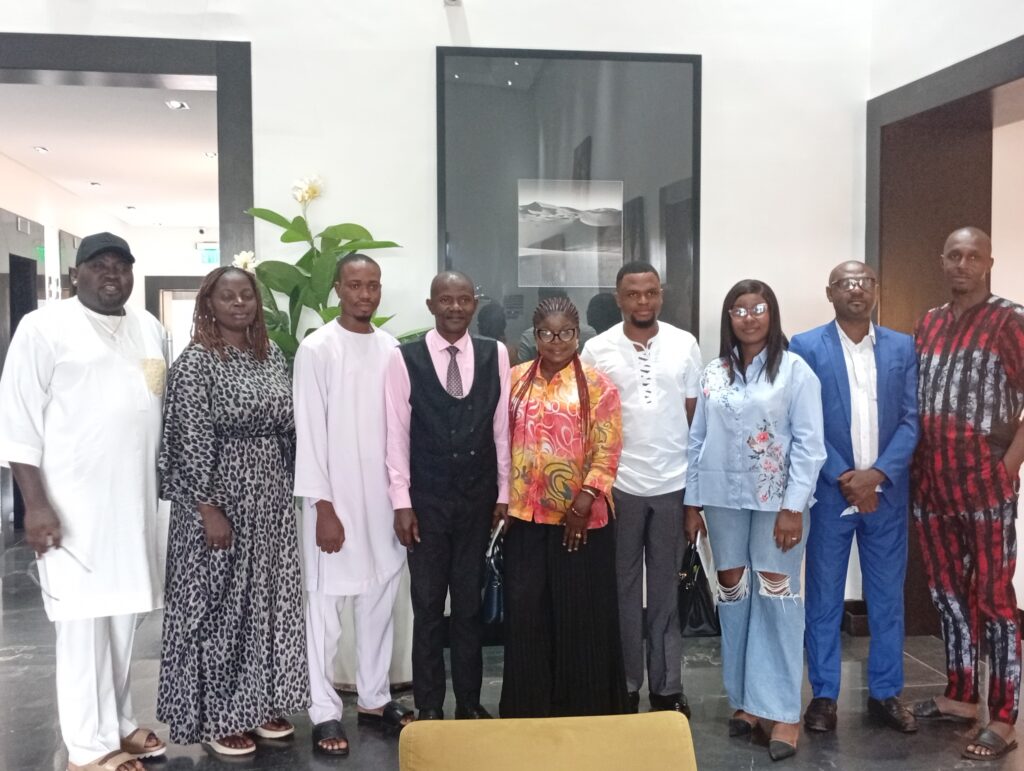
Participants
According to him, “When we record human rights violations against vulnerable persons, we understand that the media plays a key role in either promoting violence or creating pathways that can reduce violence or continue to perpetrate violence against marginalised people.”
Amalumilo also highlighted provisions of existing laws affecting marginalised groups, noting that under Nigerian law, sodomy attracts a 14-year prison term, while aspects of the Same Sex Marriage Prohibition Act (SSMPA) continue to have human rights implications. He called for a review of the law to reflect current realities and strengthen human rights protection.
He further noted that the HIV anti-discrimination law enacted in 2007 is now outdated, stressing that “it has been 18 years since the law was passed, and the realities are no longer the same,” hence the need for reform.
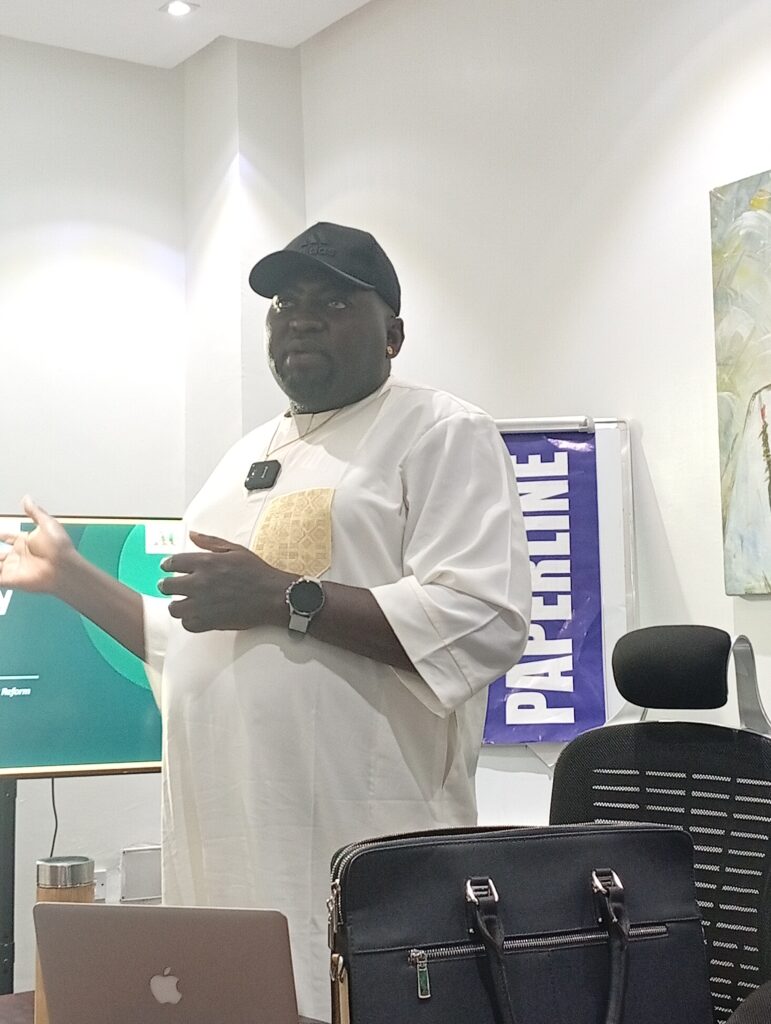
CEO AGHI, Amalumilo
Also speaking the Programme Manager , AGHI, Chinedu Ndufuechi, explained that the project had two major objectives, media capacity building and advocacy for HIV/AIDS , anti-discrimination law reform.
He said the training is aimed at developing a media reporting guide that will help journalists report marginalised persons accurately, objectively, and ethically without exposing affected persons to further harm.
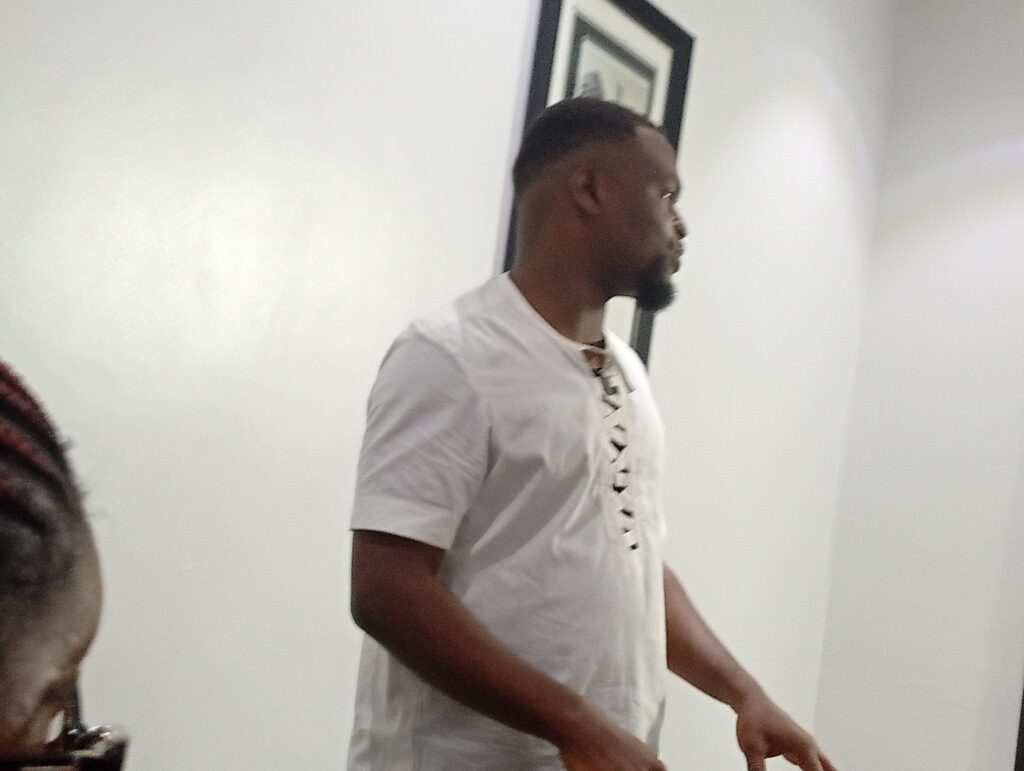
Programme manager,AGHI, Ndufuedi
According to him, inaccurate reporting often contributes to stigma, discrimination, and human rights violations faced by vulnerable persons and people living with HIV/AIDS.
The organisers stressed the need for collaboration between journalists and civil society organisations to encourage professional and balanced reporting on issues affecting marginalised communities.
.
During the session, participants discussed the impact of media narratives on public perception of vulnerable persons and people living with HIV./AIDS.
Facilitators warned against practices such as exposing individuals without consent, sensationalising sensitive stories, and amplifying stereotypes capable of exposing affected persons to discrimination and violence.
They maintained that Journalists should protect the dignity, safety and rights of vulnerable individuals while promoting factual, balanced and ethical reporting.