Adolescent Girls Initiative for Learning and Empowerment (AGILE) ; a World-Bank Assisted programme has commenced the processes of renovating 217 secondary schools and intensified efforts to tackling school dropout, gender-based violence and other barriers preventing adolescent girls from accessing education in Enugu State.
The programme is also strengthening school infrastructure, improving sanitation facilities and mobilising communities to ensure that girls return to school and learn in safe, inclusive and conducive environments.
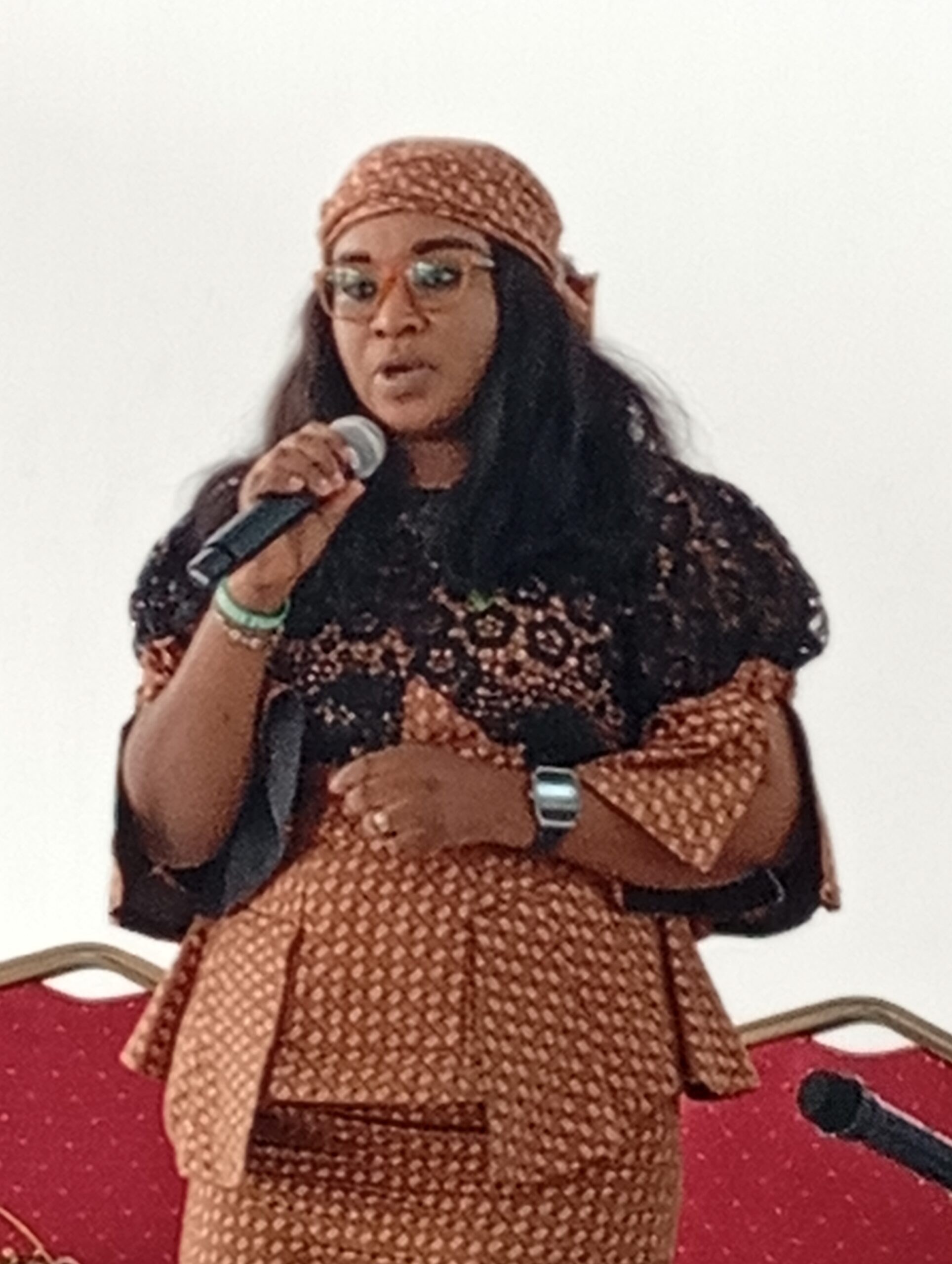
The State Coordinator of AGILE, Enugu , Dr Ebele Georgina Chukwu-Onuora disclosed this while highlighting the programme’s interventions during a media engagement held on Tuesday,October 13,2026 at the International Conference Centre,Enugu.
According to her, need assessment has been done in the benefiting schools and the program will run in batches She also highlighted classroom renovation, provision of learning materials, water supply, toilet facilities and improved hygiene standards as part of their interventions.
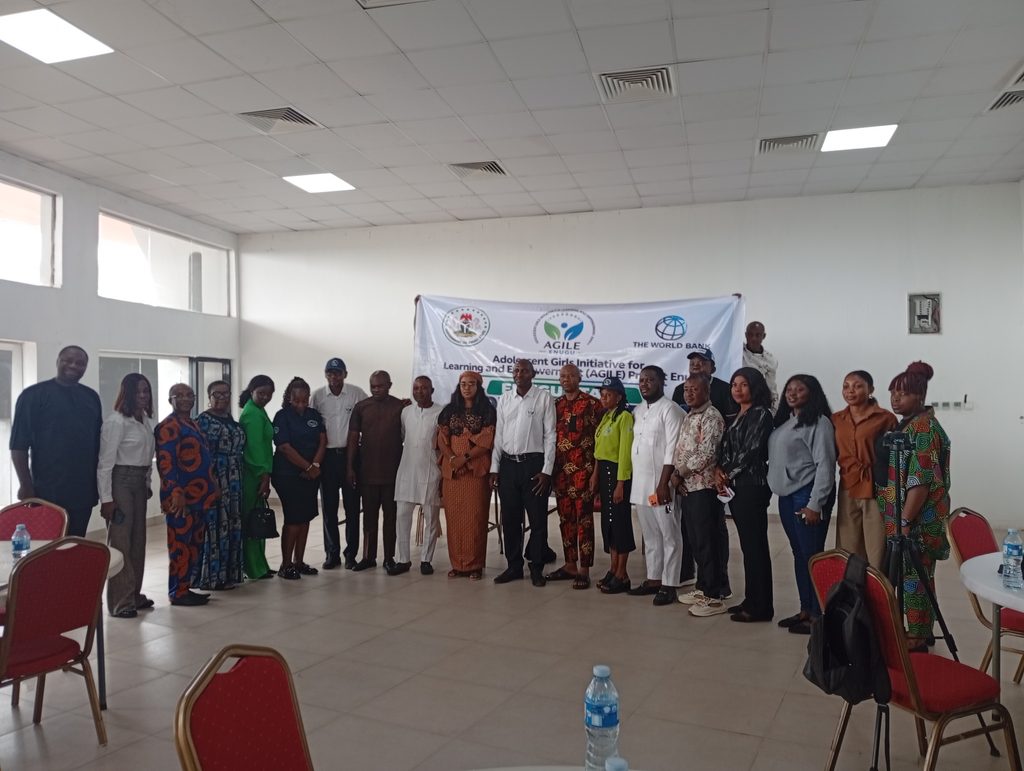
Participants and AGILE team
Speaking on interventions on getting children of school age to be enrolled in school, the State Coordinator said the initiative works with communities to identify why some parents do not send their children to school and address the social and economic factors contributing to school dropout.
Dr Chukwu- Onuora stressed that every child deserved access to quality education, adding that the programme was committed to ensuring that no child was left behind or excluded from learning opportunities.
She said AGILE, a World bank program, supported by the Federal Government, is also designed to improve educational opportunities for adolescent girls through infrastructure development, community engagement and targeted interventions.
Dr Chukwu- Onuora added that the programme’s projects include the renovation of school buildings, installation of solar facilities, provision of water and Water, Sanitation and Hygiene (WASH) facilities, as well as the supply and maintenance of learning materials. She explained that interventions were guided by needs assessments conducted in participating schools to identify their most pressing requirements.
Speaking, the programme’s Gender-Based Violence Officer, Mrs Uche Aneke, emphasised the need to protect schoolchildren against sexual harassment, intimidation and other forms of gender-based violence.
She stressed that creating a safe and gender-friendly school environment was essential to ensuring that girls could pursue their education without fear, abuse or discrimination.
She called for collective efforts to protect children and promote inclusive learning environments where students could concentrate on their studies.
Poverty, Social Norms Threaten Girls’ Education
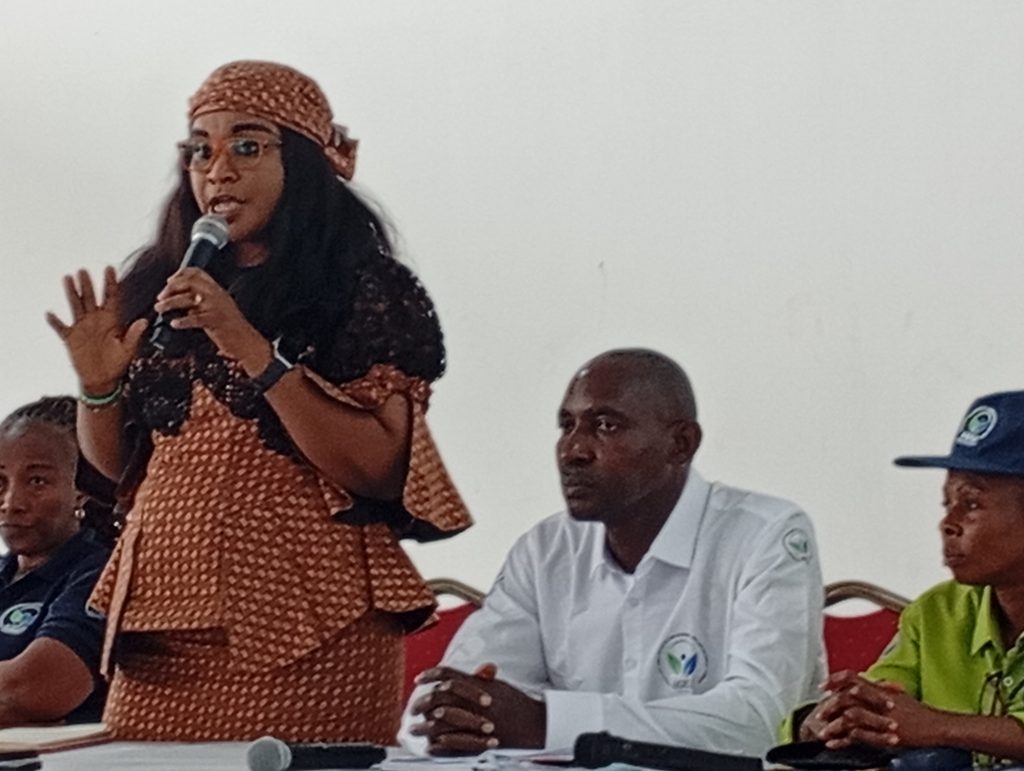
Dr Chukwu -Onuora highlighting the activities of AGILE
The Social Officer, Helen Ani, identified poverty and social norms as some of the factors contributing to school dropout, noting that sustained advocacy was necessary to change attitudes and encourage parents to prioritise their children’s education.
She urged stakeholders to speak up whenever they observed circumstances that could threaten children’s education, safety or welfare.
Ani said the programme engaged communities through awareness campaigns and educational activities aimed at explaining the importance of education and addressing misconceptions that discourage parents from sending their children to school.
She added that AGILE also worked with community members, religious leaders, media and other stakeholders to strengthen collective responsibility for girls’ education.
The programme’s advocacy activities include media engagements, local-language programmes and community sensitisation to reach families with messages about the benefits of education.
With its focus on school infrastructure, community participation and protection against gender-based violence, AGILE seeks to address the challenges keeping girls out of school and expand access to education.
The initiative underscores the importance of ensuring that every girl has the opportunity to learn, develop her potential and contribute meaningfully to society.