

Enugu State government has recorded ₦7.4 billion in revenue collection from the informal sector , saying that illegal market levies, including the controversial N200 daily collection, remain banned across the state, adding that anyone caught extorting traders or transport operators will be arrested and prosecuted
The Chairman of the Enugu State Internal Revenue Service (ESIRS), Emmanuel Ekene Nnamani, stated this on Thursday, July 16,2026 while responding to questions from Newsmen on the implementation of the state’s tax reforms.
Nnamani dismissed claims that traders who pay the approved annual market levy of N36,000 were still subjected to additional illegal collections, describing such allegations as false.
According to him, the government’s revenue collection system is implemented in collaboration with market leaders, security committees and traders’ associations, making it virtually impossible for unauthorised persons to collect money inside recognised markets.

Nnamani says Enugu state has recorded N7.4bn in informal sector, adding that revenue reforms still in place.
“There is no market in Enugu State where anybody is collecting any additional levy outside the approved payment. Market chairmen and security teams understand the process and will immediately apprehend anyone attempting to extort traders,” he said.
He reaffirmed that the N200 daily levy previously imposed on traders and artisans had been completely abolished, adding that government had mobilised market unions, Presidents-General of communities, local government councils and transport unions to enforce the directive.
The ESIRS boss disclosed that several suspects had already been arrested in areas including Emene, Nchatancha and other locations after allegedly disguising the banned levy under different names such as “village development levy.”
He urged residents to report illegal collections through the state’s whistleblowing channels, assuring that security agencies and undercover operatives were monitoring compliance across the state.
Nnamani clarified that while roadside traders, hawkers, wheelbarrow pushers, vulcanisers, roadside barbers, hairdressers and food vendors exempted under the new presumptive tax regime would not pay tax, businesses operating lock-up shops remained liable under the law.
He explained that shop owners earning below N12 million annually could also qualify for tax exemption if they maintained proper financial records to support their claims.
On transport reforms, he said the introduction of the electronic ticketing system had eliminated multiple collections by allowing operators to pay only once daily, including their union dues, regardless of the number of routes they ply.
Drivers who fail to obtain the e-ticket before noon, he said, risk paying penalties of up to ten times the approved fee.
Highlighting the impact of the reforms, Nnamani said the number of companies remitting Pay-As-You-Earn (PAYE) tax monthly had increased from about 500–600 to roughly 1,600, while the government was expanding compliance in withholding tax, capital gains tax and other tax categories.
He disclosed that the state had deployed a Central Tax and Revenue Management System integrating all 73 Ministries, Departments and Agencies onto a single digital platform and expanded payment options from one gateway to eight, enabling payments through banks, POS terminals, online platforms and USSD.
He added that land use charge administration had been strengthened, warning prospective property buyers to confirm that land use charges and capital gains tax obligations had been settled before purchasing any property to avoid inheriting outstanding liabilities.
Nnamani added that the state had also increased internally generated revenue through land reforms, revitalisation of dormant public assets and strategic investments, citing the concessioning of state-owned hotels, the revival of United Palm Products, the completion of the International Conference Centre, the launch of Enugu Air, deployment of CNG buses and development of the 10,000-hectare Enugu Smart City.
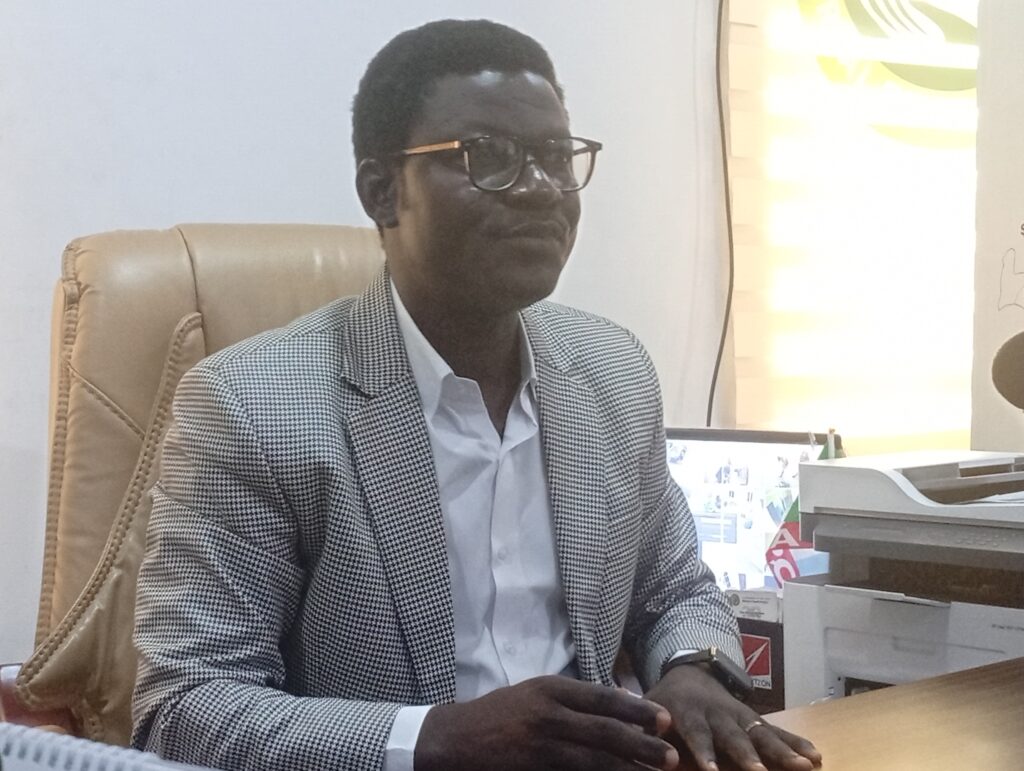
Nnamani says the growing revenue base has enabled the government to fund major infrastructure projects .
According to him, the growing revenue base has enabled the government to fund major infrastructure projects and will remain critical to sustaining development beyond the current administration.
“You cannot govern a state without revenue. Whoever succeeds Governor Peter Mbah must sustain and even improve the revenue drive if they hope to maintain the level of development already achieved,” he said.

qgmpkhkwejstkfiyjoisrxedfthufq