
…400km network to boost industrialisation, cut energy costs
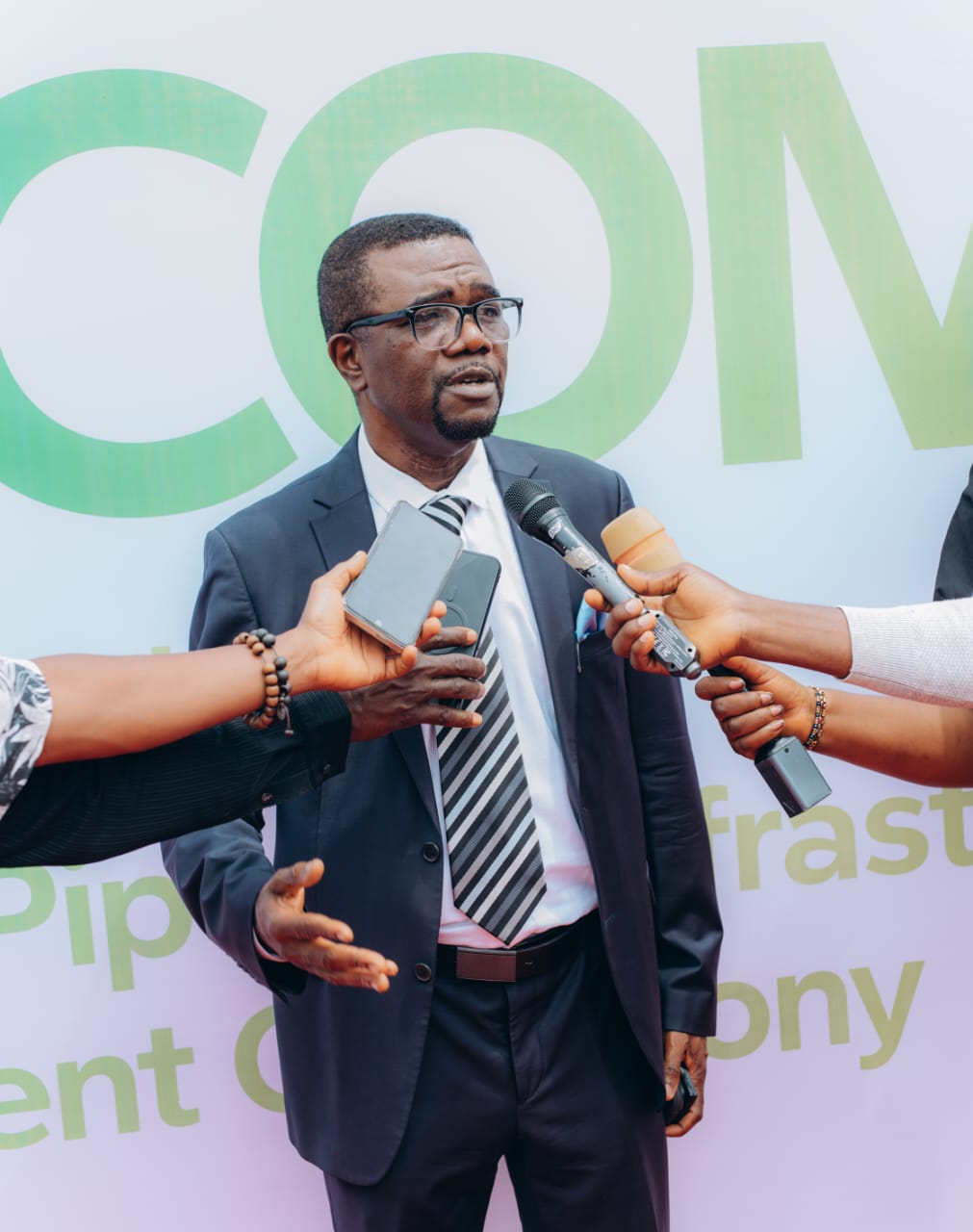
A member of the Board of the South East Development Commission (SEDC), Ugochukwu Agballah Esq., has said the proposed 400-kilometre gas distribution pipeline network across the South-East will accelerate industrialisation, reduce energy costs and attract investments to the region.
Agballah, who chairs the SEDC Subcommittee on Public-Private Partnership for Sustainable Development and is a former Enugu State Commissioner for Works and immediate past Chairman of the All Progressives Congress (APC) in the state, said the project would address longstanding energy infrastructure gaps in the South-East.
He spoke with Newsmen in an interview on Tuesday at the signing of an investment agreement between the SEDC and Gas Sync Limited in Enugu for the proposed $100 million gas distribution pipeline project linking Imo, Abia, Anambra, Enugu and Ebonyi states.
The agreement is expected to facilitate the development of a regional gas distribution network to supply industries and commercial users across the five states, with the objectives of lowering energy costs, attracting investments and creating employment opportunities.
Describing the agreement as a major public-private partnership initiative, Agballah said access to reliable and affordable energy was fundamental to industrialisation and economic development.
“What is happening today is a public-private partnership for sustainable development. Our committee is in charge of public-private partnerships, and what we are doing here is a partnership to bring about a gas distribution network for the entire South-East,” he said.
He noted that the region had historically recognised the importance of gas infrastructure to industrial development, recalling that the former Eastern Regional Government, under the leadership of Dr Michael Okpara and Dr Nnamdi Azikiwe, conceived a plan in the 1960s to transport gas from Port Harcourt to industrial clusters in Enugu, Umuahia and Aba.
According to him, the administration had constructed about 10 kilometres of gas pipeline from Port Harcourt in Rivers State to Aba before the end of the regional government, a development he said contributed to Aba’s industrial growth.
He regretted that the South-East was subsequently left out of successive national gas development plans, but expressed optimism that the proposed regional network would reverse the trend.
“Unfortunately, over the years, the South-East was left out of all the national developmental plans for gas development. But luckily, it has become a blessing in disguise because, if what we are planning takes off, the South-East will be the only sub-region in the entire six geopolitical zones with an effective and evenly distributed gas pipeline network,” Agballah said.
He described the proposed 400-kilometre network as a transformative infrastructure project that would extend gas access across the region and provide a foundation for broader economic development.
Agballah commended President Bola Tinubu for establishing the SEDC and providing support for its operations, noting that the commission was expected to mobilise resources and pursue interventions capable of changing the economic fortunes of the South-East.
He said the region had resolved to move beyond the implementation of isolated, small-scale projects by pooling resources from the Federal Government, state governments, residents and members of the diaspora to deliver major infrastructure projects.
“We in the South-East took a decision that we will not be involved in small, small projects. We are going to pool our resources together — the ones we get from government, the ones we pool from state governments and those we get from our people at home and in the diaspora — to build life-changing infrastructure that will leapfrog our economy,” he said.
The SEDC board member explained that the gas network would create opportunities for the development of power plants, support existing industries and encourage manufacturers operating outside the region to consider relocating their businesses to the South-East.
According to him, industries would be able to connect to the pipeline to access gas for their operations, while state governments could explore gas-fired power generation to improve electricity supply.
He added that improved access to gas could reduce energy costs for businesses and households, strengthen the region’s industrial base and create an enabling environment for new investments.
“Every state can now just build a power plant and fix it onto the gas pipe. Every industry can come alive,” he said.
Agballah also said the proposed infrastructure could encourage entrepreneurs and industrialists from the South-East who operate businesses in other parts of the country to consider returning their investments to the region.
He cited insecurity and attacks faced by some business owners from the region as among the concerns that could influence such decisions, adding that reliable energy supply would be an important factor in making the South-East more attractive for industrial operations.
Beyond gas distribution and power generation, he said the SEDC was considering other major infrastructure interventions, including the development of gas-powered railway systems to improve regional connectivity and integrate different modes of transportation.
He said the commission would collaborate with Gas Sync Limited, the Nigerian National Petroleum Company Limited (NNPC), state governments and other private-sector investors to actualise the project.
Describing the initiative as groundbreaking, Agballah expressed confidence that its successful implementation would help reposition the South-East for industrial growth and economic expansion.
He maintained that the project represented an opportunity to turn years of limited access to gas infrastructure into a foundation for sustainable development across the five states.