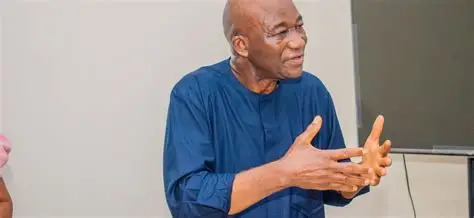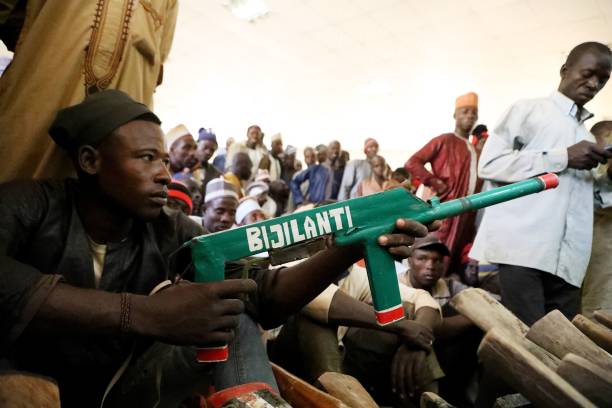
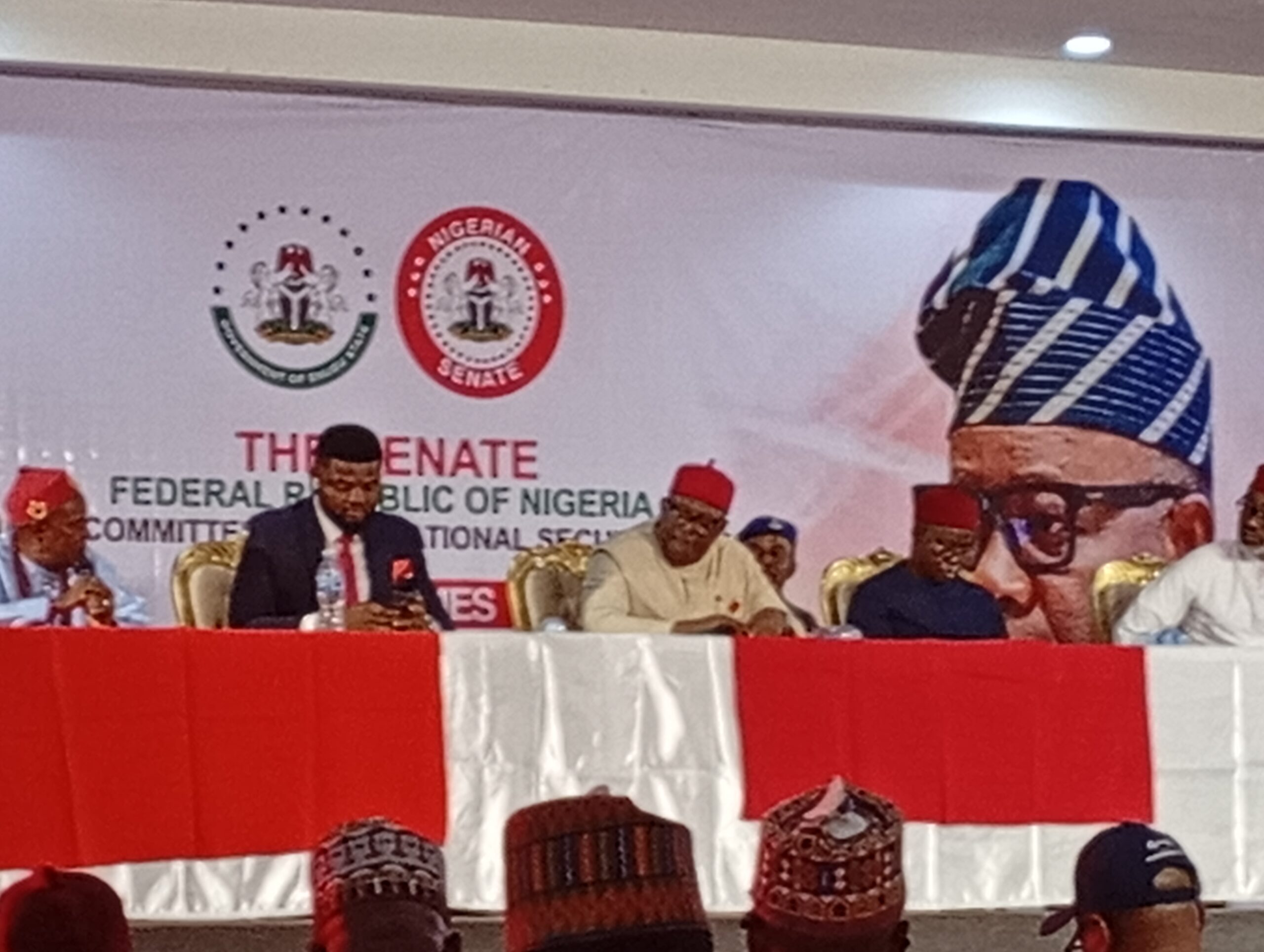
Speaker of the Enugu State House of Assembly, RT. Hon. Uche Ugwu, and other stakeholders say open grazing , unemployment and centralised policing are major causes of insecurity in Southeast, Nigeria, noting that stopping open grazing, establishing state policing and youths employment will help curb insecurity in South East , Nigeria.
They stated these on Thursday ,20Th November,2025 in their speeches at a One-Day security summit , with the theme, “Strengthening Nigeria’s National Security Architecture: Innovation, Collaboration and Resilience in a Changing World,” organised by the Senate Ad-hoc committee on the National security summit for Relevant stakeholders in the South East zone, held at the International Conference Centre, (ICC) Enugu.
Stakeholders during the summit.
In his speech, RT. Hon. Ugwu ,told the gathering that , “in the South East , anything open grazing is against the peace of the land.”
He noted that open grazing was banned in the Southeast and called for adoption of modern technology to address the issue in the country.
” We must adopt a modern technology of keeping livestock. It is only in Nigeria that when you are driving , you struggle the roads , (the highways) with livestock. It must be addressed,” he said.
RT. Hon Ugwu also spoke on the issue of state policing , arguing that decentralised policing would help create safer communities.
“Security cannot be achieved by force alone. The issue of state police is something we should look into to create an enabling environment in our communities,” the Speaker said..
Ugwu noted that effective security must be rooted in intelligence gathering and socio-economic stability.
“We must invest in intelligence gathering while not neglecting the economic conditions that make our people, especially our young ones, vulnerable to criminal activities,” he said.
The Lawmaker emphasised the need to rebuild trust between communities, government and security agencies.
“When communities trust their security agencies and when leaders speak with one voice, insecurity loses its strength,” Ugwu said.
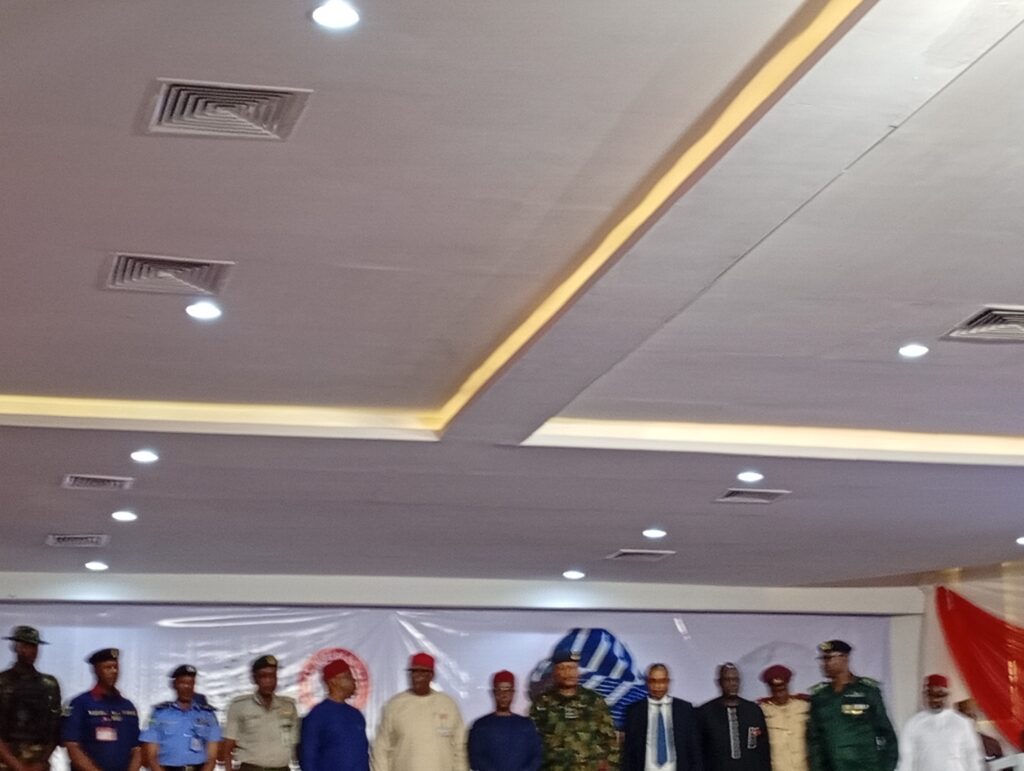
A cross section of some key stakeholders at the summit.
Earlier ,the chairman, Senate Adhoc Committee on North East/South-East of the 10th Senate National Security Summit 2025, Senator Austin Akobundu, in his welcome address,, said the Senate convened the national dialogue to gather first hand perspectives from citizens and leaders in regions most affected by insecurity.
He added that the Senate resolved to organise a National Security Summit to tackle security issues in the country.
He further explained that the summit would enable Nigerians, including those directly affected by the security situation to make input to the search for a comprehensive and conclusive solution to the lingering insecurity in the country.
“The consequences of such a trend on the victims and the entire populace can only be imagined. Whole communities are traumatised and displaced, farmlands abandoned and schools disrupted.
“The other grave socio-economic aftermath on our people including spikes in poverty, hunger, disease, and illiteracy.
“It is on this note that agitators in the South-East must be made to understand in no uncertain terms that violence solves nothing and can never be a pathway to self-determination. It can only worsen an already bad situation and we are stronger together,” he said.
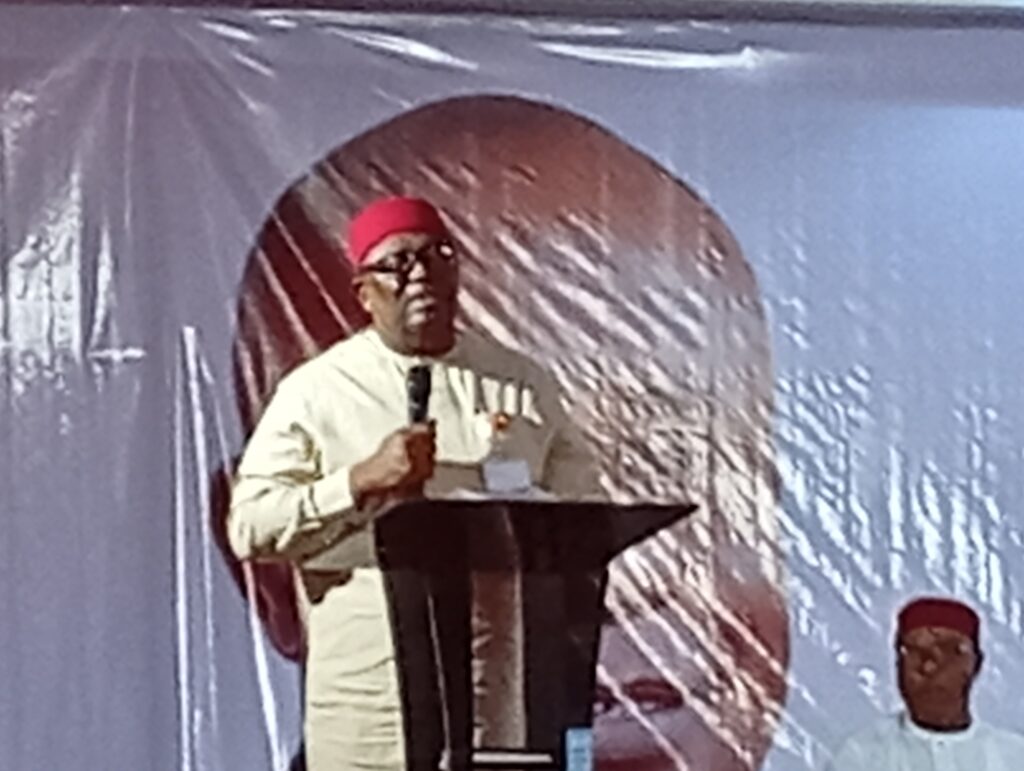
Chairman of the Ad-hoc committee,Senator Akobundu declaring the event open.
Akobundu noted that the issues of inequity, injustice, marginalisation, unemployment, poverty among others fuelling the agitation for separation must be addressed with sincerity of purpose as a way of curbing the security situation in the region to its barest minimum.
The chairman stressed that the actions of these non-state actors had left the SouthEast region bleeding as lives were lost, properties destroyed, people displaced.
“The declaration of Mondays as sit-at-home and the deployment of violence as a strategy by some sections of these agitators have adversely affected the region’s economy and its attendant consequences on our people.
“Unfortunately, not even revered institutions like places of worship, traditional entities and others were spared by the mayhem. The situation is quite worrisome.
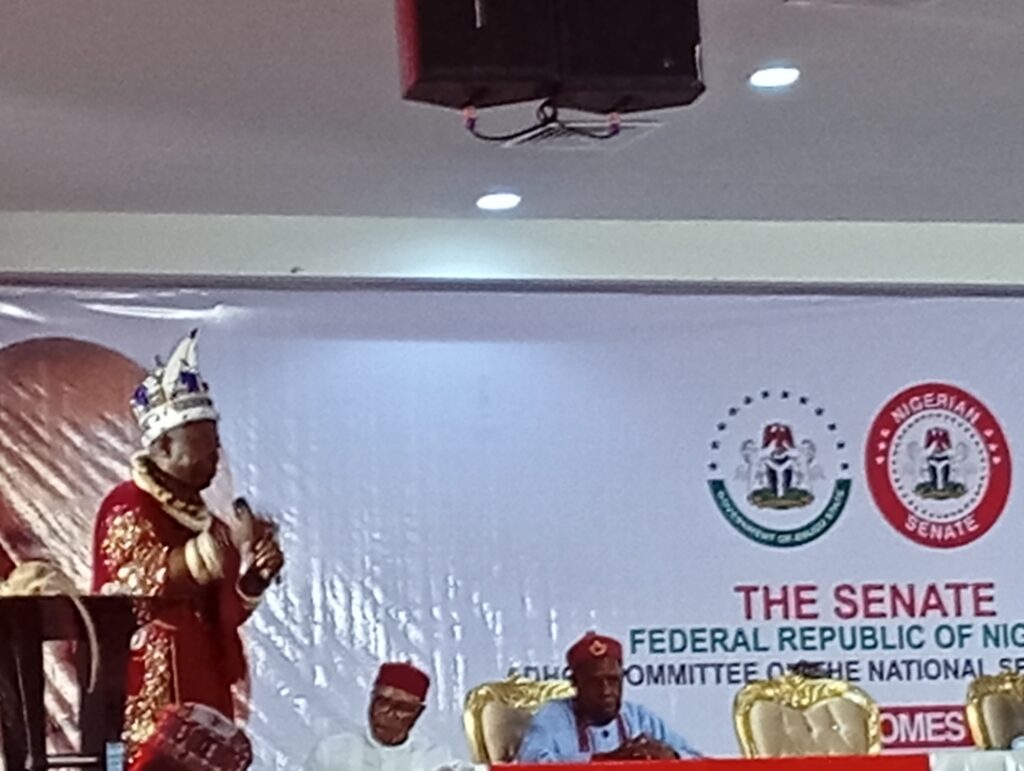
Chairman, Enugu state council of traditional rulers,HRM Igwe Asadu making a remark during the security summit
“We must, therefore, do everything within our powers to restore normalcy to our highly cherished region and create the enabling environment for our people to thrive.
“We are here with you today to get more first-hand information on the issue in order for us to comprehend it better and work with you to proffer possible, practical, and enduring solutions to the menace.
“The Senate is primed today more than ever before to rely on inputs from this summit to amend and, where necessary, repeal existing laws, and make new comprehensive ones to ensure a more secure and prosperous Nigeria” Akobundu said.
He commended Southeast Governors for confronting insecurity and assured that the Senate would act on recommendations from the summit,
He also lauded frontline security personnel, saying, “Your sacrifices will never be forgotten. The Senate takes your welfare seriously.”
He assured security agencies of adequate appropriation to restore peace in South-East.
On the leader of the proscribed Indigenous People of Biafra ( IPOB) Mazi Nnamdi Kanu, Akobundu said, he will alongside other Senators from the South East zone, continue to advocate for political solution to release him. He added that they had met with the Attorney-General of the Federation, Chief Lateef Fagbemi and had written President Tinubu to grant pardon to Nnamdi Kanu.
Stakeholders who represented various groups, lamented the spate of insecurity in Nigeria .They condemned open grazing, farmer- herders clashes, drug abuse, unlawful possession of ammunitions, youth unemployment, centralised policing attributing them caused of insecurity in Nigeria
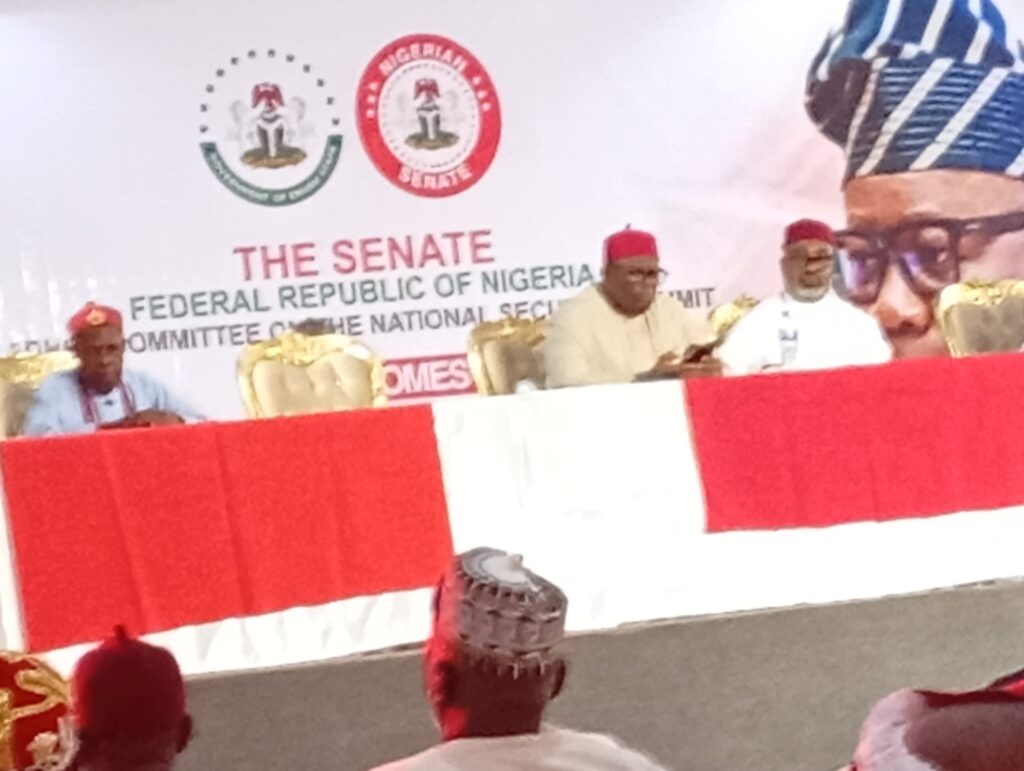
They urged the senate to ensure the implementation of their resolutions, saying they should not be dropped as was done in the past .summits.
The stakeholders in attendance were the Nigerian Police, Army, Air force, Nigerian Civil Defense Service Corps, Correctional Centre, traditional rulers, President s – General, Ohanaeze Ndigbo,, Local government chairmen, farmers, Forest Guard, Youth groups.