Governor of the Central Bank of Nigeria (CBN), Olayemi Cardoso, says Nigeria is playing a strategic role in advancing Africa’s long-envisioned single currency agenda.
He made the remarks in Abuja following the decision of the African Union (AU) to grant Nigeria permanent membership on the Board of the African Monetary Institute (AMI), a key institution established as a precursor to the proposed African Central Bank (ACB).
The decision was endorsed at the 39th Ordinary Session of the Assembly of the AU, reinforcing Nigeria’s growing influence in shaping the continent’s evolving financial architecture.
Cardoso described Nigeria’s hosting of the AMI and the ACB, which will be headquartered in Abuja as a historic milestone for both the country and Africa at large.
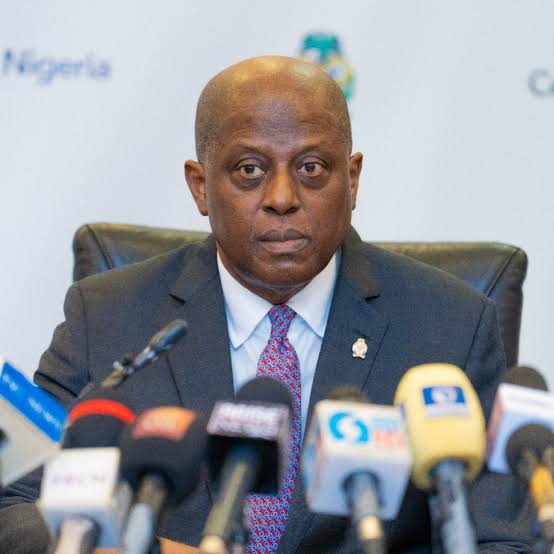
CBN Governor, Cardoso
According to him, the development positions Nigeria at the epicentre of Africa’s monetary integration efforts and strengthens its voice in designing the framework for a unified African currency.
“This historic decision marks a significant milestone in Africa’s financial integration journey and further emphasises Nigeria’s strategic role in shaping the continent’s evolving financial architecture,” Cardoso said.
He added that the move represents tangible progress toward macroeconomic convergence, deeper monetary cooperation, and Africa’s long-term vision of financial sovereignty and economic integration.
Technical Role and Institutional Support.
Cardoso highlighted that the bank has played a leading technical role in drafting the AMI Statute, which was approved at the 5th Extraordinary Meeting of the Specialised Technical Committee on Finance held in Abuja. He also noted that Nigeria provided initial hosting facilities and logistics support to facilitate the immediate take-off of the AMI.
Cardoso commended the collaborative efforts of the CBN alongside the Federal Ministries of Foreign Affairs, Justice, and Finance in securing Nigeria’s permanent seat on the AMI Board during the transitional phase leading to the formal establishment of the ACB.
The permanent seat, however, comes with a sunset clause and will lapse once the ACB is formally established, in line with AU principles of equity and regional balance.
Nigeria’s commitment to hosting the African Central Bank aligns with the Abuja Treaty, formally known as the Treaty Establishing the African Economic Community. Adopted in 1991 and operational since 1994, the treaty laid the foundation for deeper economic integration across Africa, including the creation of a common market and eventual single currency.
The proposed African Central Bank is expected to coordinate common monetary policy across member states, promote exchange rate stability, facilitate a multilateral payments system, and eliminate foreign exchange restrictions that hinder intra-African trade.
Reforms Strengthen Nigeria’s Credibility
Cardoso noted that Nigeria’s growing leadership role reflects years of structural reforms, strategic diplomacy, and consistent technical engagement.
He pointed to improvements