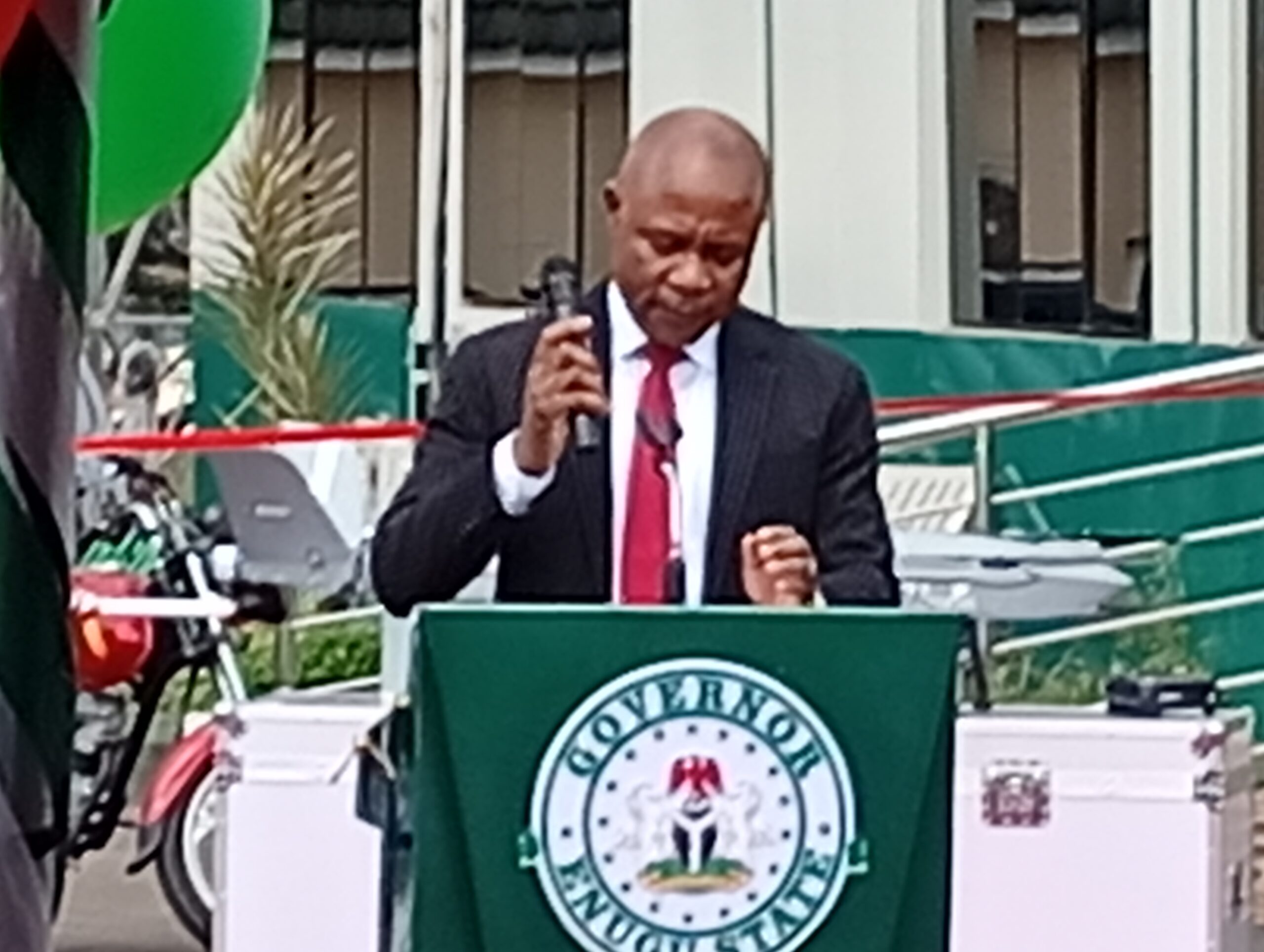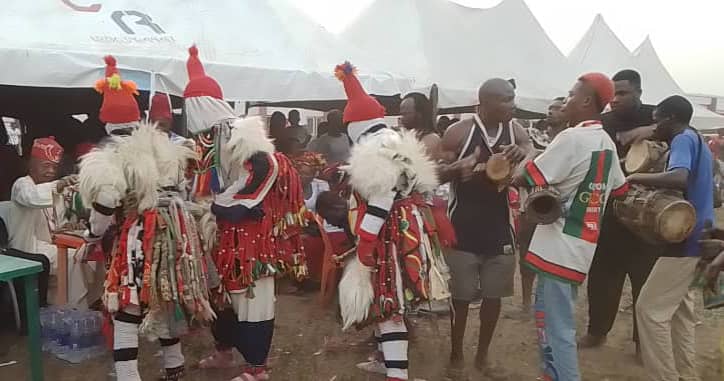
Enugu State Governor, Dr. Peter Mbah, has called on the United Nations Educational, Scientific and Cultural Organisation (UNESCO) to recognise the Nsude Pyramid i and the Lejja iron smelting slab as World Heritage Sites, citing their historical and cultural significance spanning over 1,000 years.
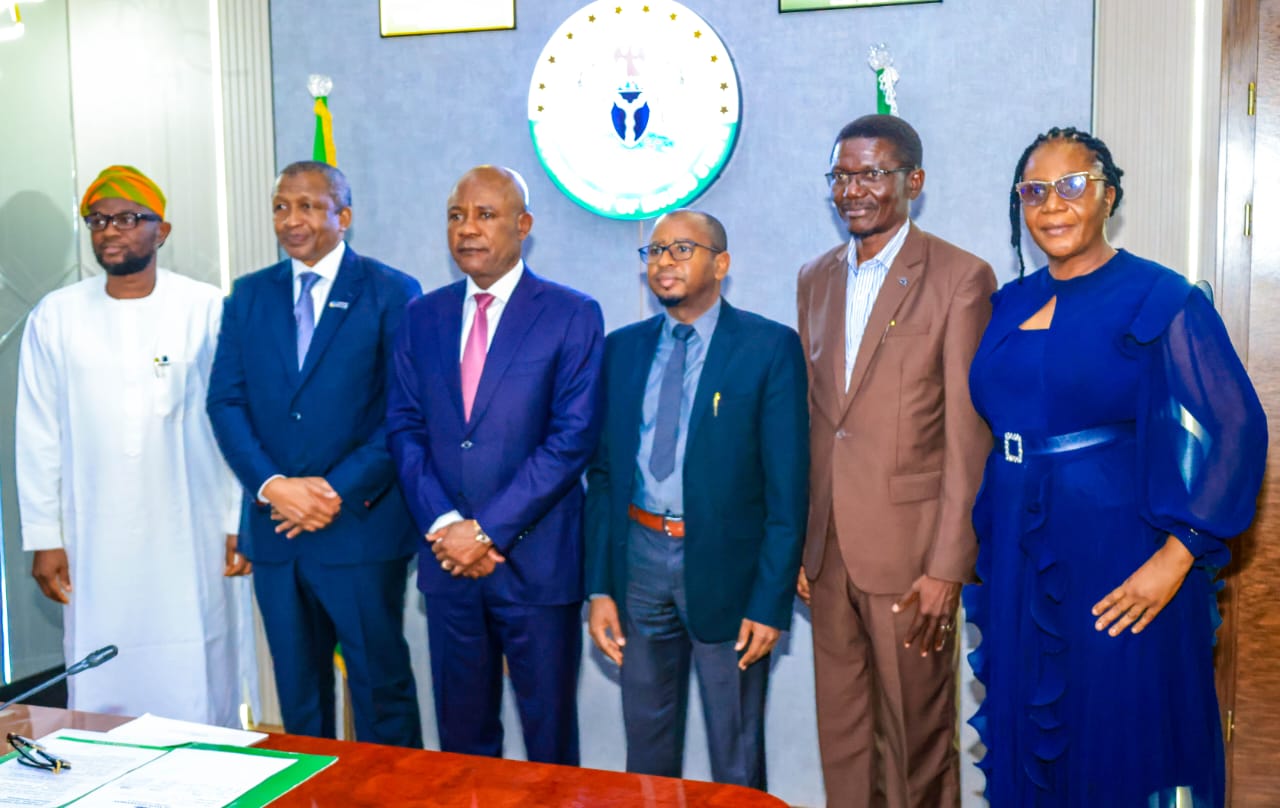
He made the call on Thursday ,5 February when officials of the Nigerian National Committee of the UNESCO International Geoscience and Geoparks Programme, led by Dr. Aminu Abdullah Isyaku, paid him a courtesy visit in his office at Government House, Enugu, to explore partnership opportunities in geoheritage conservation and geotourism development in the state.
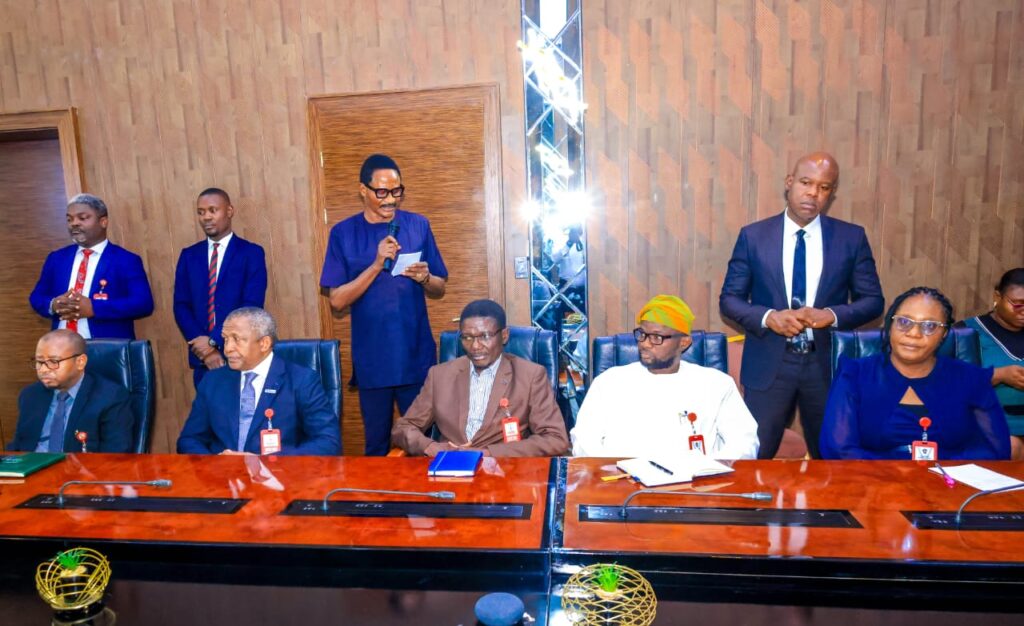
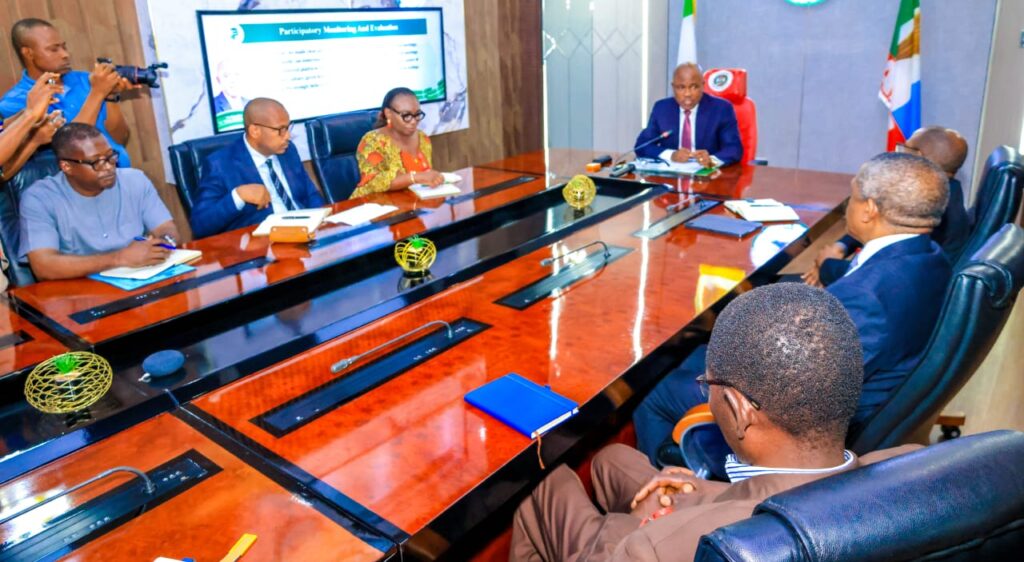
The governor described Enugu as a city of rich history and geological endowment, recalling that the state rose to prominence following the discovery of coal in 1909 and the construction of a railway line to Port Harcourt by 1911, which made it a major economic hub and administrative headquarters of the former Southern Province.
According to him, the state government has profiled over 170 tourism sites, many of which are geo-tourism assets, as part of efforts to attract six million visitors annually to Enugu State.
“We have identified more than 170 tourism sites across the state, a lot of them being geo-tourism locations. Enugu has the highest network of caves in Nigeria, several waterfalls with unique features, hills, lakes and historical landscapes that are yet to be fully harnessed,” Mbah said.
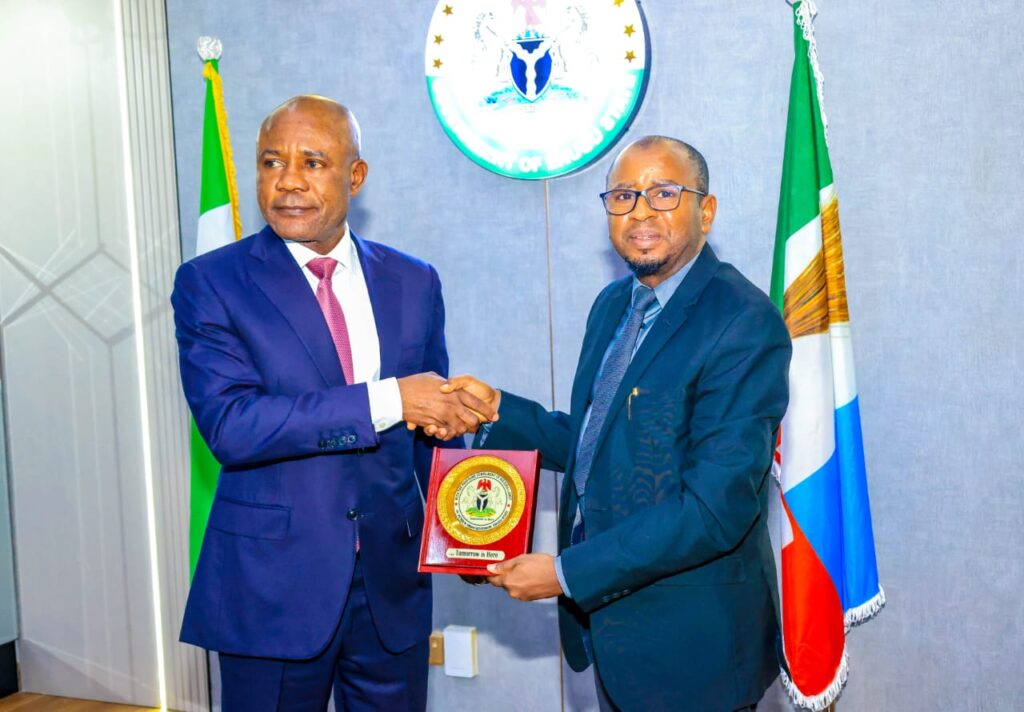
He highlighted the Nsude Pyramid, noting that the site remains of immense historical value and deserves global recognition. He also described the Lejja iron smelting slab as an ancient technological heritage that testifies to early iron production in the region over thousands years ago.
Governor Mbah further disclosed ongoing infrastructural upgrades at major tourism sites, including access roads, utilities, canopy walkways, cable transport systems, rotunda buildings and enhanced visitor facilities at locations such as the Ngwo Pine Forest, caves and waterfalls.
He stressed that visibility, accessibility and strategic marketing were critical to unlocking the tourism potential of the state, adding that Enugu was being intentional in developing selected priority sites to international standards.
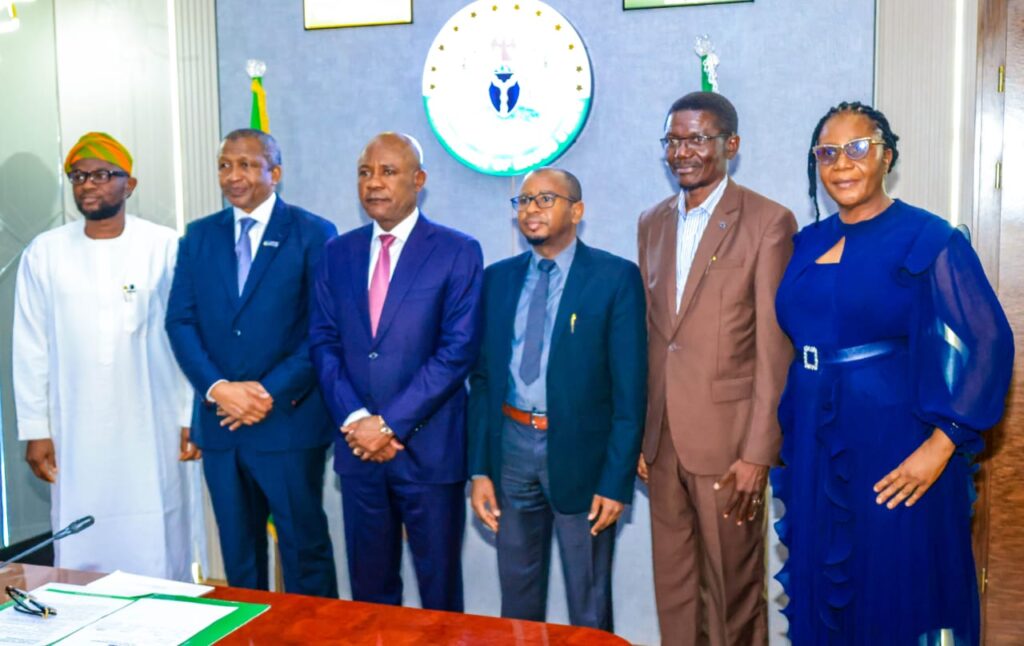
Earlier in his speech, the leader of the delegation, Dr. Isyaku described Enugu as Nigeria’s coal city with vast geoheritage assets capable of driving geotourism, job creation, youth and women empowerment, and revenue generation.
He said the UNESCO committee is made up of 20 members drawn from various sectors . “It’s a broad based committee and a United Nations based programme under UNESCO., and Nigeria inaugurated the committee in 2025*,’he said..
Dr Isyaku added that Nigeria is a statutory member of the UNESCO -IGDP which has over 200 UNESCO global Geoparks in 50 countries and only two located in Africa.
According to him,” Nigeria is putting all efforts together to harness her I geoinherited resources for UNESCO designation.”
He said their visit was the commencement of their partnership with the sub nationals.
and Enugu was the first state to respond to the UNESCO geoscience initiative, commending Governor Mbah for his achievements and commitment to heritage preservation..
He observed that Enugu state has some heritage sites which they had identified and the initiative is about discouraging indiscriminate mining, noting that .Geology shapes the identity of the people
Isyaku urged that Enugu state government should establish a Geopark office that will coordinate geological locations, protect and manage them ,adding that the sites should be conserved for education, culture, frural , local growth, and youth employment. He hinted that Geoparks operate with active participation of the host communities.
“Federal government provides coordination, states provide leadership and the communities ownership.”, he said.
According to him, the sites that qualify for UNESCO designation must possess geology of international significance with scientific, educational and cultural values, often closely linked to the traditions and beliefs of host communities.
“Geotourism is about caves, waterfalls, rocks, hills and landscapes, but ultimately it is about the people. We are bridging the gap between geology and society, preserving sites that reflect both natural history and cultural identity,” Isyaku said.

Isyaku speaking with newsmen
He expressed optimism that with sustained collaboration between the state government, local communities and the committee, Enugu’s geoheritage sites would meet UNESCO standards and place the state on the global map for scientific excellence and sustainable tourism development.