Medical and Environmental experts have said carbon monoxide exposure is the most probable cause of Tuesday’s death of 38 miners at a mining site in Kampani Zurak community, Wase Local Government Area of Plateau state.
The experts, who spoke with newsmen , Thursday , explained that the symptoms described by survivors and residents are consistent with acute carbon monoxide poisoning, a well-known hazard in underground mining.
Muhammad Abdullahi of the Anthony Nyong Climate Centre of Excellence, University of Jos, and Publicity Secretary of the Nigerian Meteorological Society, said the gas is commonly found in poorly ventilated underground sites.
“Carbon monoxide is often present in underground mining operations,” he said.
“When inhaled in high concentration, it binds to red blood cells and prevents oxygen from reaching vital organs. Without oxygen, the brain and heart begin to shut down within minutes.”
He noted that the victims reportedly complained of breathing difficulties before collapsing, which aligns with known symptoms of carbon monoxide exposure, including headache, dizziness, chest pain and fatigue.
Carbon monoxide is odorless, colorless and tasteless. Because it cannot be detected by human senses, victims are often unaware they are being poisoned until symptoms become severe.
Medical experts say diagnosis is typically confirmed using a CO-oximeter to measure carboxyhemoglobin levels in the blood.
Treatment requires immediate administration of oxygen and, in severe cases, hyperbaric oxygen therapy.
Environmental activist Philip Jakpor, Executive Director of Renevlyn Development Initiative, also blamed weak safety enforcement at mining sites.
“The deaths of these young miners are tragic and may have been avoided if proper ventilation systems and safety monitoring were in place,” he said.
“This incident raises serious concerns about regulatory oversight and the protection of artisanal miners.”
While witnesses in Kampani Zurak insist that a carbon monoxide leak caused the deaths, the Plateau State Government initially described the incident as an explosion.
In a statement, the Commissioner for Information and Communication, Joyce Ramnap, said the government received reports of a “tragic explosion” at the mining site, reportedly owned by Solid Unity Nigeria Limited.
She said preliminary information indicated that about 33 persons were inside the tunnel at the time, with many lives feared lost.
The official death toll has since risen to 38, with more than 20 injured and over 10 initially reported missing.
The state government did not provide technical details to support the explosion claim.
As of the time of this report, no independent forensic findings have been released to clarify whether the incident was caused by an explosion, gas buildup, or another trigger.
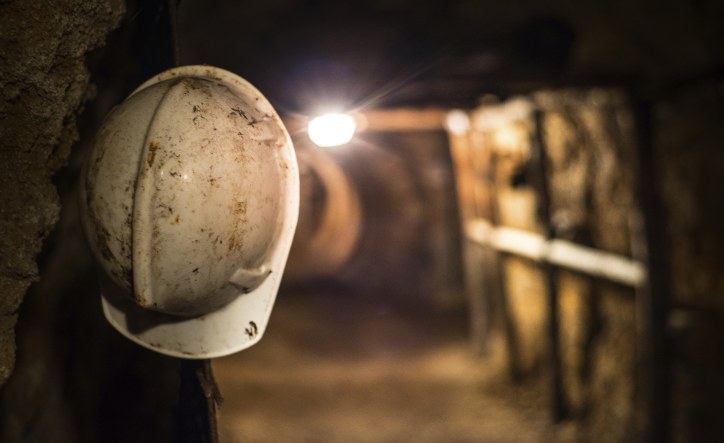
Following the tragedy, the federal government ordered the immediate closure of the mining site.
According to the Plateau State Commissioner, the Minister of Environment, Balarabe Lawal, contacted Governor Caleb Mutfwang and directed the total shutdown of mining activities in the area pending investigation.
She said a team of experts from the Federal Ministry of Environment was scheduled to arrive in Wase from Abuja to assess the situation.
However, beyond the closure directive and the announcement of a visiting team, details of the investigative framework, timeline, or specific safety review measures have not been made public.
It remains unclear which federal agencies will lead the technical inquiry or whether mining regulators have commenced a separate compliance audit.
The state government said it is working with security agencies, emergency responders and health authorities to stabilise the area, provide treatment for the injured and prevent further loss of life.
In Kampani Zurak, the tragedy has left families devastated.
Residents said the miners had gathered for early morning prayers before returning underground around 6:30 a.m.
Shortly after, they began experiencing breathing difficulties inside the tunnel.
Safiyanu Haruna, a miner in the community, said attempts were made to introduce oxygen into the tunnel after the gas was suspected, but the effort failed.
“This is where we earn a living to support our families,” he said. “People come here from different parts of the country. We have lost many colleagues.
Isa Jafaru said his uncle, who died in the incident, left behind 11 children.
“The responsibility for those children now rests on me,” he said. “The government should come to our aid.”
Sapi’i Sambo, a resident of Wase, said he lost three nephews aged 25, 25 and 29.
“They were young and hardworking, supporting their parents and siblings,” he said. “It is very painful,” he said.
The mining site has reportedly operated for decades, extracting lead and zinc, and provides livelihoods for hundreds of workers, many of them young men between 25 and 40 years old.
Community sources also claimed that this was not the first fatal incident at the site. In 2025, a similar occurrence allegedly claimed two lives.
Experts and activists have urged a transparent investigation into the incident, including an independent technical assessment of ventilation systems, gas monitoring protocols and emergency response measures at the site.
They stressed that carbon monoxide risks in underground mining are well documented and can be mitigated through proper ventilation, continuous gas detection systems and strict enforcement of occupational safety standards.
As families continue to mourn and some victims remain unaccounted for, residents say their primary concern is that the investigation should not end with the closure of the site alone.
They are demanding clear answers on what happened underground that morning and assurances that similar tragedies will not recur in other mining communities across Plateau State..