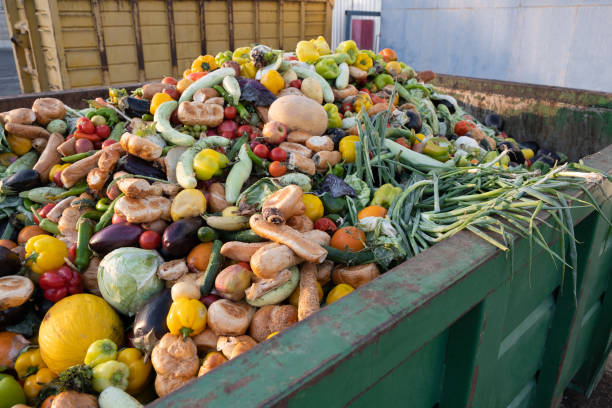
European Union has identified Nigeria as the highest food-wasting country in Africa, with an estimated 38 million tonnes of food lost annually.
The EU disclosed that on Monday during the commemoration of 2026 International Zero Waste Day in Abuja, with the Theme, “Food waste reduction – minimisation and valorisation.”
Speaking at the event, EU Deputy Ambassador to Nigeria and ECOWAS, Zissimos Vergos, described the situation as alarming, noting that food waste represents not just a loss of consumables but also a waste of critical resources such as water, energy, and labour.
He added that globally, nearly one billion tonnes of food were wasted in 2022, accounting for almost one-fifth of all food available to consumers.
“This is not just a loss of food; it is a squandering of precious resources, a missed opportunity to combat hunger, and a direct threat to our planet’s health,” Vergos said.
According to him, food loss and waste contribute up to 10 per cent of global greenhouse gas emissions and nearly 40 per cent of methane emissions, worsening environmental degradation and climate change.
Vergos, however, acknowledged ongoing efforts by the Federal Government, including the development of a Circular Economy Roadmap and the establishment of an Interministerial Circular Economy Committee aimed at tackling waste challenges.
He recommended key strategies for Nigeria, including investment in rural infrastructure such as roads and cold storage, promotion of food processing industries, and integration of zero-waste education into school curricula.
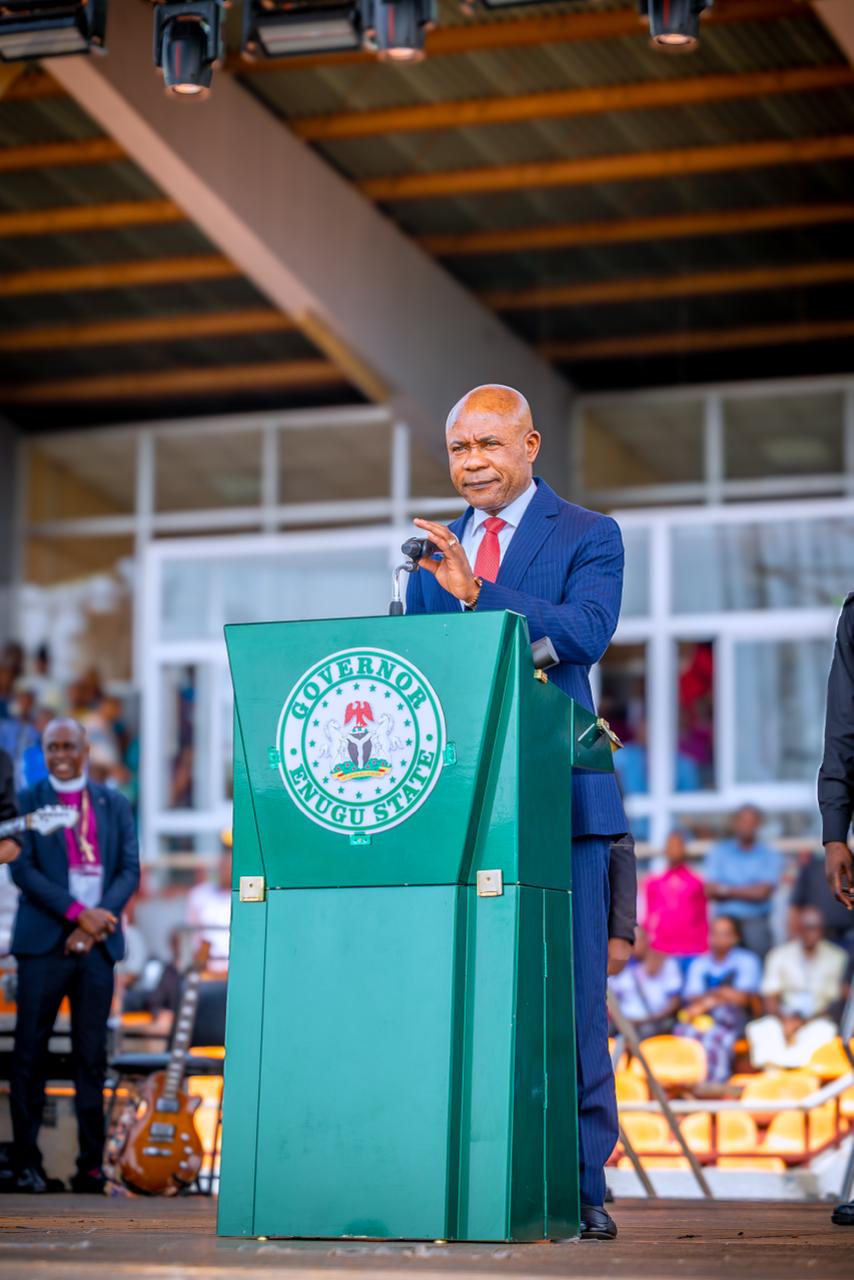
Also speaking, the Minister of Environment, Balarabe Lawal, reaffirmed the government’s commitment to addressing food waste and promoting sustainable environmental practices.
“Food waste remains a significant challenge affecting our environment, economy, and society. Every discarded meal represents wasted resources while many Nigerians face food insecurity,” Lawal said.
He revealed that the ministry had initiated projects targeting food waste reduction in major markets across the country, particularly to curb post-harvest losses.
Similarly, the Director and Representative of the United Nations Industrial Development Organisation in Nigeria, Philbert Johnson, emphasised the importance of efficient food systems.
“Food is far more than a commodity; it is a foundation of wealth, health, and security. When food systems fail, the consequences ripple across economies and communities,” he stated.
Johnson reaffirmed UNIDO’s commitment to supporting Nigeria in building resilient and sustainable agro-industrial systems.