Enugu State Government says it is intensifying efforts to develop the solid minerals sector, particularly coal, as part of plans to diversify the state’s economy and reduce dependence on oil revenue.
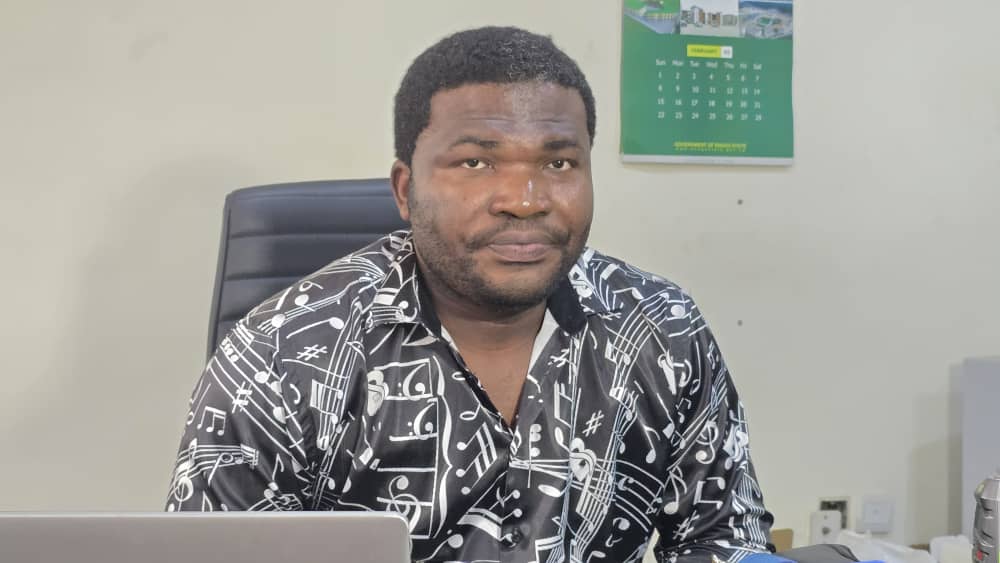
Special Adviser to the Governor on Solid Mineral and Mining , Samuel Onyinye Okoro, disclosed this on Wednesday , in an interview with Newsmen in Enugu.
He noted that Enugu state government has begun extensive exploration activities to determine the quantity and quality of mineral resources across the state.
Okoro explained that developing the solid minerals sector is a complex process that requires time, patience and huge investment, especially because Nigeria has historically depended on a mono-economy driven by oil.
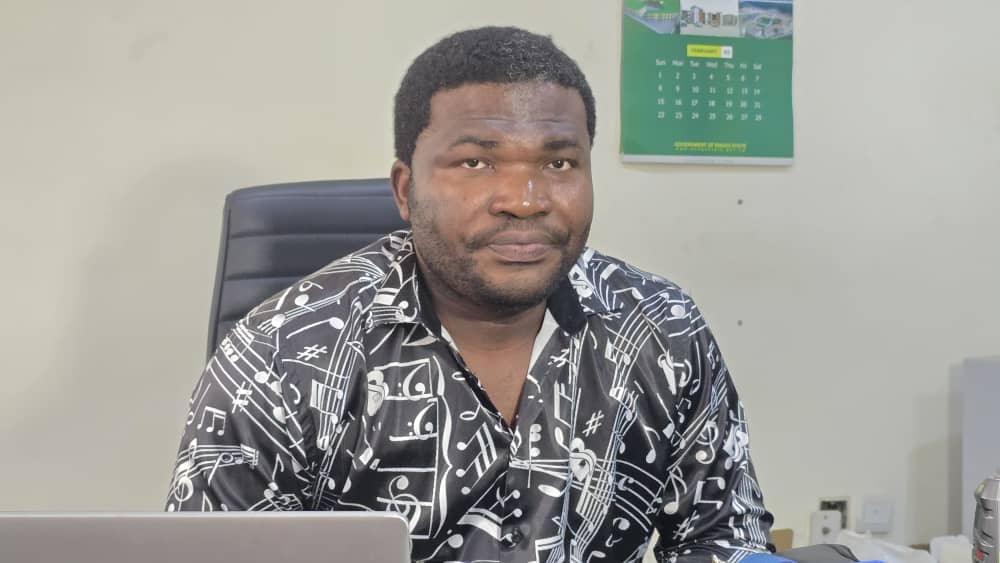
SPA to the Governor on Solid mineral an, mining, Samuel Okoro
According to him, the state government began with exploration, which involves mapping mineral deposits and conducting technical studies to determine the viability of mining operations.
“We first engaged in exploration. That is the first phase where we map the spatial activities and carry out technical assessments to know exactly what we have in different parts of the state,” he said.
The Special Adviser noted that findings from the exploration exercises have shown that Enugu has significant coal deposits that could be harnessed to generate electricity and stimulate industrial growth.
He said the state government is considering the use of coal to generate about 1,000 megawatts of electricity, describing it as one of the cheapest available sources of power for industrial development.
“Coal is the major mineral resource we have here in Enugu. If properly utilised, it can help us generate power and support economic development,” he stated.
The official also revealed that when the current administration came on board, the mining ecosystem in the state was largely unregulated, with many mineralised areas lying idle despite the presence of licences.
According to him, the government discovered that over 100 mineral sites existed across the state but less than one per cent of them were actively being worked.
He added that several licence holders were merely holding on to mining locations without carrying out actual operations, hoping to resell the rights later for profit.
“We met a situation where many people held licences without any intention to mine. They were simply keeping them as speculative assets, just like buying land and waiting for its value to appreciate,” he said.
Okoro also disclosed that authorities identified more than 40 illegal mining operations in different parts of the state when the administration began reforms in the sector.
He said government agencies have since moved to stop the illegal activities, confiscate equipment and initiate legal actions against offenders.
“Some of the illegal miners have been arrested and their vehicles confiscated. There are ongoing prosecutions, and we are working to ensure that illegal mining activities are completely e eliminated,” he said.
The Special Adviser stressed that although the sector has huge revenue potential, mining development does not yield immediate financial returns because of the time required for exploration, licensing, environmental compliance and infrastructure development.
“This is not a sector where you just come in and start generating revenue immediately. It takes years of planning, exploration and investment before the real economic benefits begin to show,” he said.
Okoro, expressed optimism that ongoing reforms and partnerships with regulatory agencies and investors would soon begin to produce visible results.
“We have huge projections for the sector. In the next couple of months, we expect some major breakthroughs that will show the progress we have made,” he added.
He further explained that the development of the coal industry would involve collaboration between the federal government, state authorities, mining companies and host communities to ensure sustainable operations.
According to him, the state is currently engaging relevant federal regulatory agencies to ensure compliance with national mining laws while advancing plans for coal-based power generation