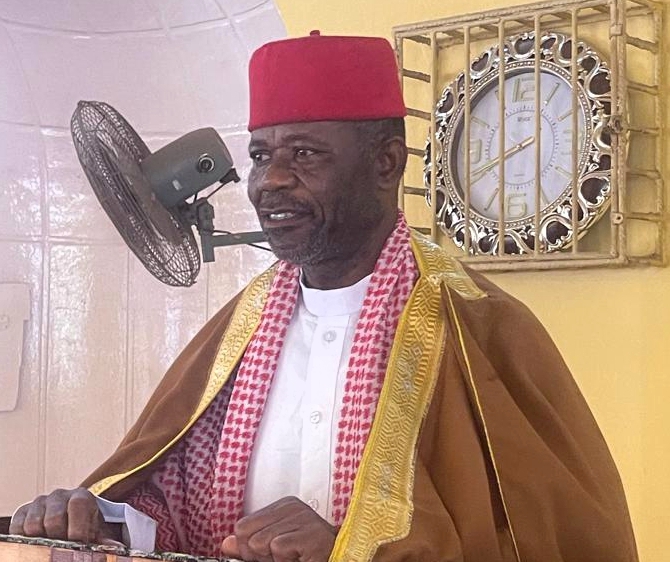
Governor of the Central Bank of Nigeria, Olayemi Cardoso, says Nigeria’s reserves has risen to $50.45bn as net FX hits $34.80bn, the highest in 13 years.
Cardoso described it as a major improvement in Nigeria’s foreign reserve position, adding that it is a clear evidence of stronger external sector fundamentals and sustained economic reforms.
Speaking after the Monetary Policy Committee (MPC) meeting held on Tuesday, February 24, 2026, in Abuja, Cardoso disclosed that Nigeria’s gross external reserves climbed to $50.45 billion as of February 16, 2026, marking the highest level recorded in 13 years.
He revealed at the weekend that the country’s net foreign exchange reserves rose sharply to $34.80 billion at the end of December 2025. Sharp Rise in Net Reserves .
According to the CBN governor, the improvement in net reserves represents a dramatic turnaround in Nigeria’s external financial health. Net reserves surged from $3.99 billion at the end of 2023 to $34.80 billion by the close of 2025, reflecting what he described as a fundamental improvement in both the level and quality of the nation’s reserve buffers.
He noted that the 2025 net reserve position alone exceeded the total gross reserves recorded at the end of 2023, which stood at $33.22 billion — a development he called a “substantial strengthening” of Nigeria’s external buffers over the past three years.
The data also showed steady year-on-year progress. Net reserves increased from $23.11 billion at the end of 2024 to $34.80 billion in 2025, while gross external reserves rose from $40.19 billion to $45.71 billion within the same period — an increase of $5.52 billion.
Cardoso attributed the gains to enhanced transparency and credibility in foreign exchange management. He said the reforms introduced by the apex bank have boosted investor confidence, attracted stronger foreign exchange inflows, and improved reserve management practices focused on preserving capital, ensuring liquidity, and supporting long-term sustainability.
He emphasised that increased market confidence has been central to the turnaround. “Underpinning all this, quite frankly, is market confidence. Without market confidence, no matter what you do, you’ll find you will significantly sub-optimise,” Cardoso said.
The governor disclosed that the CBN had engaged extensively with international investors, made firm commitments, and maintained policy consistency to build positive sentiment around Nigeria’s economy. Drivers of Reserve Growth The reserve build-up was supported by: Favourable trade developments
A healthy current account surplus Rising non-oil exports Increased diaspora remittances Cardoso explained that these factors strengthened Nigeria’s external earnings and improved its ability to meet foreign obligations. Strengthened External Buffer.
Describing the end-2025 reserve position as validation of ongoing reforms, Cardoso said the expansion of reserves has significantly enhanced Nigeria’s capacity to: Meet external debt obligations Support exchange rate stability Reinforce overall macroeconomic resilience He reaffirmed the commitment of the Central Bank to maintaining adequate reserve buffers and ensuring orderly foreign exchange market operations in line with its statutory mandate.
The development signals renewed stability in Nigeria’s external sector after years of pressure on foreign reserves, exchange rates, and investor confidence. With reserves now at multi-year highs, the apex bank says it will continue policies aimed at sustaining macroeconomic stability and strengthening the country’s financial position globally.