Media professionals, and civil society organisations have called for greater support for women’s participation in politics , urging collective efforts to remove barriers limiting women’s participation ahead of the 2027 general elections.
They identified gender-based violence, financial constraints, negative societal perceptions, inadequate family support, lack of solidarity among women and limited media visibility as some of the factors preventing women from attaining political leadership positions in Nigeria.
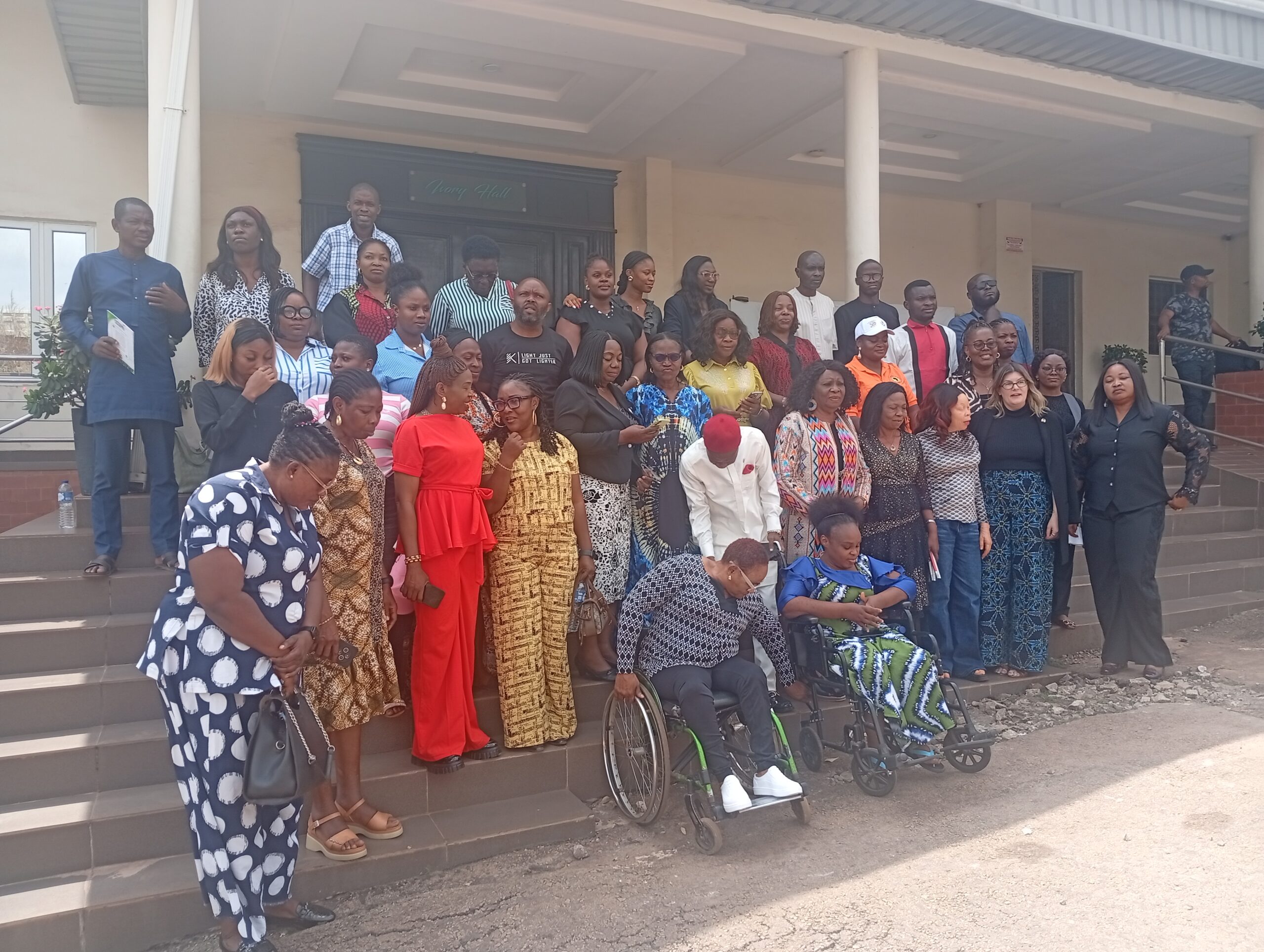
The stakeholders made the call in a communiqué issued at the end of a One-Day Media and Civil Society Roundtable on Amplifying Women’s Voices in the Upcoming Nigeria General Elections, organised by Journalists for Human Rights (JHR) and the Women Information Network (WINET), with support from Global Affairs Canada.
The roundtable which was held on Wednesday, November 2026 in Enugu, brought together media professionals, civil society representatives, women leaders and former political aspirants including Maude Olivia of the Canadian High Commission, Miriam Menkiti, Director Women Information Network, Dr Fidelis Mbah, to examine the challenges confronting women in politics and develop practical strategies for strengthening their participation in the 2027 elections.
Rising from the roundtable, participants expressed concern that violence, intimidation, harassment and discrimination continue to discourage women from seeking elective positions, despite the existence of legal frameworks designed to protect their rights.
They also identified entrenched cultural beliefs and gender stereotypes that portray politics as a predominantly male domain, noting that women who venture into politics are sometimes subjected to stigmatisation and negative perceptions.
On the financial challenges, the participants observed that the high cost of political participation and the culture of monetary inducement during elections place women at a disadvantage, particularly those without access to substantial financial resources.
The communiqué expressed concern over the insufficient cooperation among women, noting that the absence of collective support weakens their ability to advance common interests and support female political aspirants.
It also identified limited engagement with the media as a challenge, observing that some women decline invitations to interviews and public discussions, thereby reducing opportunities for their voices and perspectives to be heard.
Other challenges highlighted include inadequate political experience, weak political networks, limited support for women in opposition positions and lack of encouragement from spouses and family members.
To address these challenges, the stakeholders called for sustained public sensitisation on existing laws protecting women and girls against gender-based violence and discrimination, alongside improved implementation and enforcement to ensure perpetrators are held accountable.
They also advocated the active involvement of men, particularly husbands, fathers, traditional rulers, religious leaders and other influential figures, in promoting women’s political participation and challenging discriminatory cultural practices.
The participants urged women to strengthen their networks, collaborate and support one another’s political ambitions rather than contribute to the criticism and discouragement of female aspirants.
They further encouraged women to build confidence in public speaking, media interviews and other public engagements, stressing the need for female leaders and aspirants to take advantage of opportunities offered by media organisations to communicate their ideas and contributions to governance.
Media organisations were urged to establish dedicated programmes and platforms for women’s issues, particularly their participation in politics, leadership and decision-making.
The roundtable proposed that media houses, even with limited resources and airtime, should create at least one regular programme or segment to showcase women’s achievements, discuss challenges confronting them and provide opportunities for their participation in public discourse.
On grassroots mobilisation, civil society organisations and women’s groups were encouraged to intensify community sensitisation through engagements with traditional rulers, religious institutions, youth groups and other stakeholders to promote acceptance of women in leadership.
The communiqué also stressed the importance of supportive family structures and positive gender socialisation, urging parents to raise children with the understanding that both boys and girls have equal rights, opportunities and capacities to aspire to leadership positions.
In addition, participants called for stronger partnerships among media organisations, civil society groups, women’s organisations, religious institutions, traditional leaders and government agencies to coordinate advocacy, information sharing and capacity-building initiatives.
They also called on electoral stakeholders to ensure that polling units and voting centres are accessible to persons with disabilities through appropriate facilities, assistive devices and other necessary support to enable them to vote independently and with dignity.
The stakeholders affirmed that women’s political participation is fundamental to inclusive governance, democratic accountability and sustainable national development.
They maintained that amplifying women’s voices must go beyond media visibility to include equal opportunities, access to resources, protection from violence, institutional reforms and meaningful participation in political decision-making.
The participants urged political parties, government institutions, media organisations, civil society groups, development partners, traditional and religious leaders, families and the general public to take deliberate steps towards creating an enabling political environment where women can participate, contest elections and assume leadership positions without discrimination, intimidation or unnecessary barriers.
Media professionals, CSOs seek greater support for Women in Politics