
Food agency of the United Nations has projected that 35 million people are likely to experience severe hunger in Nigeria by 2026, the highest on the continent and the largest since the agency began recording data in Nigeria.
The World Food Programme also predicted at least 15,000 people in Borno state, the epicenter of Nigeria´s security crisis, will experience catastrophic hunger including famine-like conditions next year. Borno will be classified as Phase 5, the agency’s highest classification of food.
Northern Nigeria is experiencing the most severe hunger crisis in a decade, with rural farming communities the hardest hit,” the WFP said in a statement.
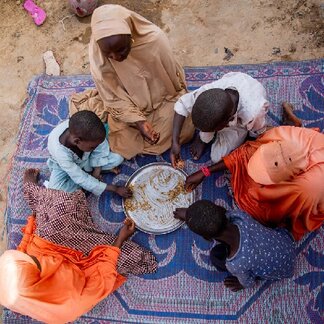
“This intervention has really changed our lives; it has helped us a lot. Before, we didn’t eat three square meals a day; even now, we don’t eat three meals a day. But at least the situation is much better. We are thankful and grateful to WFP for supplying us with food. I’ve been receiving food since February 2020.”
WFP is providing life-saving food and nutrition assistance to 1.8 million people in Nigeria. However, WFP is running desperately short of resources to undertake this life-saving action.
Widespread attacks by various armed groups have deterred farmers from using their land, officials said.
In October, al-Qaeda-affiliate Jama´at Nusrat al-Islam wal-Muslimin took responsibility for its first attack in Nigeria, making the group the latest entrant in a pool of armed groups launching attacks in the country.
According to the World food programme, Conflict in the northeast has displaced 2.3 million people and left nearly 6 million facing acute food insecurity and limited access to assistance in Borno, Adamawa and Yobe states.
Nigeria is subject to periodic droughts and floods. This has had an adverse impact on agricultural output andincreased the vulnerability of populations, especially in rural areas.
Insurgent activities have added pressure to a fragile resource environment, deepened insecurity, hampered development, and heightened the food and nutrition insecurity of vulnerable women and children.
The World Food Programme will run out of resources for emergency food and nutrition assistance in December 2025. Without urgent funding, millions will be left without vital support, risking more instability and further deepening a severe hunger crisis.
Advertisement